


 Simon Cress

Internet Memes: In the constantly shifting ecosystem of the internet, few cultural forms have proven as resilient, adaptable, and globally influential as memes. What began as niche inside jokes on early message boards has evolved into a dominant mode of digital communication. Memes shape political discourse, express emotional states, critique power structures, and provide humor during moments of collective anxiety.
At the center of this phenomenon, cartoon characters occupy a privileged position. Their exaggerated expressions, recognizable silhouettes, and emotional clarity make them ideal raw material for meme creation. When removed from their original narrative contexts, these characters take on new meanings—sometimes playful, sometimes profound, and occasionally controversial.
This article explores ten cartoon characters that transcended their original animated formats to become iconic internet memes, examining not just how they went viral, but why they endured. We will explore their origins, meme evolution, cultural significance, and, where relevant, the ethical and social debates surrounding their usage.
Understanding Memes: Why Cartoons Thrive Online
Before ranking the characters, it is essential to understand why cartoons dominate meme culture.
Cartoon characters are:
- Visually simplified, making them instantly recognizable at small sizes
- Emotionally exaggerated, allowing quick interpretation
- Culturally shared, reducing the need for explanation
- Narratively flexible, enabling reinterpretation
Internet memes thrive on remix culture—the ability to repurpose existing media to express new meanings. Cartoons, especially those already embedded in popular culture, are ideal vessels for this kind of transformation.
1. Pepe the Frog

Origin: Boys Club (2005), by Matt Furie
Pepe the Frog began as a laid-back, harmless cartoon character in Matt Furie’s indie comic series Boys Club. His original persona was gentle, awkward, and carefree—far removed from the political and ideological associations that would later surround him.
Pepe’s rise as a meme occurred organically on early internet forums such as 4chan, where users repurposed his expressive face to represent sadness, smugness, joy, or resignation. His versatility made him a blank emotional canvas.
However, Pepe’s meme trajectory also illustrates the dark side of internet virality. In the mid-2010s, extremist groups appropriated the character, leading to widespread controversy and misrepresentation of Furie’s original intent. Furie later undertook legal and artistic efforts to reclaim Pepe’s meaning.
Why Pepe Endures:
Pepe represents the internet’s power to transform symbols—both creatively and destructively—highlighting the importance of context in meme culture.
2. SpongeBob SquarePants

Origin: SpongeBob SquarePants (1999– )
Few cartoon characters have contributed more to meme culture than SpongeBob SquarePants. Created by Stephen Hillenburg, SpongeBob’s expressive animation style, surreal humor, and emotionally transparent personality made him a near-perfect meme generator.
Popular SpongeBob memes include:
- Mocking SpongeBob (sarcasm and ridicule)
- Imagination SpongeBob (childlike enthusiasm)
- Tired SpongeBob (burnout and exhaustion)
These memes are used across platforms—from Twitter to TikTok—to comment on work culture, relationships, politics, and everyday absurdity.
Why SpongeBob Endures:
He captures the emotional contradictions of modern life—optimism, irony, burnout, and absurd joy.
3. Pikachu

Origin: Pokémon (1996– )
Pikachu’s transformation into a meme icon demonstrates how a single still frame can eclipse decades of storytelling. The now-legendary “Surprised Pikachu” meme emerged from a reaction shot in the anime and quickly became shorthand for mock surprise at predictable outcomes.
The meme’s power lies in its simplicity: Pikachu’s wide eyes and open mouth communicate shock so clearly that no explanation is needed.
Why Pikachu Endures:
He combines global recognizability with pure emotional clarity, making him one of the most efficient visual memes ever created.
4. Homer Simpson
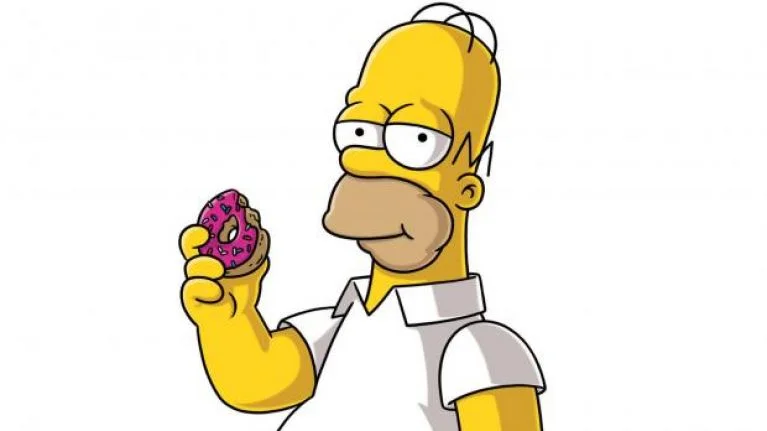
Origin: The Simpsons (1989– )
As one of television’s longest-running characters, Homer Simpson offers an almost endless supply of meme material. His exaggerated stupidity, emotional vulnerability, and physical comedy make him a symbol of everyday human failure.
Iconic Homer memes include:
- Homer backing into bushes (avoidance and shame)
- Homer disappearing (social withdrawal)
These memes often express discomfort, embarrassment, or disengagement—emotions deeply familiar in the digital age.
Why Homer Endures:
He is the internet’s patron saint of relatable imperfection.
5. Wojak (Feels Guy)

Origin: Anonymous MS Paint drawing (late 2000s)
Wojak, also known as “Feels Guy,” is one of the most minimalist yet emotionally resonant meme characters ever created. His crude, hand-drawn appearance reflects the rawness of the emotions he represents—loneliness, nostalgia, anxiety, and quiet despair.
Over time, Wojak spawned countless variants:
- Doomer
- Bloomer
- Zoomer
- NPC
Each reflects different generational or psychological archetypes.
Why Wojak Endures:
He demonstrates that emotional authenticity matters more than visual polish.
6. Arthur’s Fist

Origin: Arthur (1996– )
A single frame from the children’s cartoon Arthur—showing the character’s clenched fist—became one of the most widely used symbols of suppressed frustration online.
The humor lies in contrast: a wholesome educational cartoon repurposed to express adult rage, annoyance, or passive aggression.
Why Arthur’s Fist Endures:
It captures quiet anger in a universally relatable way.
7. “This Is Fine” Dog

Origin: Gunshow webcomic (2013), by KC Green
The “This Is Fine” dog is one of the most culturally significant memes of the 21st century. Originally part of a longer comic critiquing denial and self-deception, the cropped panel showing a dog calmly sipping coffee while surrounded by flames became a universal metaphor for normalizing crisis.
The meme has been used in contexts ranging from personal burnout to global political and environmental issues.
Why It Endures:
It perfectly encapsulates modern resignation in the face of systemic chaos.
8. Drakeposting (Cartoon Adaptations)

Origin: Music video stills (2015)
While Drake himself is not a cartoon character, Drakeposting deserves inclusion because it spawned countless cartoon adaptations. Characters from cartoons and anime have been inserted into the Drake meme format to express preference or rejection.
This illustrates how meme formats can outgrow their original subjects and become abstract communication tools.
Why It Endures:
It proves memes are modular systems, not fixed images.
9. Doge

Origin: Photograph of a Shiba Inu (2010)
Though based on a real dog, Doge became a cartoonified meme through stylized captions in Comic Sans. Phrases like “such wow” and “much amaze” created a new form of ironic, broken language.
Doge later crossed into financial and political discourse through cryptocurrency culture, illustrating how memes can evolve into economic symbols.
Why Doge Endures:
It blends innocence, absurdity, and collective irony.
10. Lisa Simpson

Origin: The Simpsons
The Lisa Simpson presentation meme—showing Lisa confidently pointing to a presentation board—has become a symbol of ignored logic and unheeded expertise.
Often used to express frustration at explaining obvious truths, the meme resonates strongly in debates about science, politics, and workplace dynamics.
Why Lisa Endures:
She represents intelligence speaking into the void—a very modern frustration.
Why Cartoon Memes Matter
Cartoon memes are not trivial distractions. They:
- Reflect generational anxieties
- Encode political commentary
- Democratize cultural expression
- Create shared emotional language
They allow people to communicate complex feelings quickly, often with humor and irony as emotional shields.
Internet Memes: Cartoons as the Internet’s Emotional Alphabet
Cartoon characters have become the emotional alphabet of the internet. From SpongeBob’s absurd joy to the quiet despair of Wojak, these figures allow people to articulate feelings that words often fail to capture.
Their endurance lies not in novelty, but in adaptability. As long as the internet continues to remix, reinterpret, and communicate through images, cartoon characters will remain at the center of meme culture.
They are no longer just animated figures—they are collective emotional tools, shaping how the digital world thinks, feels, and laughs.
Read also
- The Influence of Cartoon Characters on Fashion and Merchandise
- Cartoon Characters in Video Games: Mario, Sonic, and More
- Cartoon Characters as Educational Tools for Children: A Fun Path to Learning
FAQs: The Top 10 Cartoon Characters Who Became Internet Memes
1. What defines a meme in the context of cartoons?
In cartoons, a meme is a humorous image, video, or text copied and spread rapidly across the internet. These often feature iconic cartoon characters.
2. How do cartoon characters become internet memes?
Cartoon characters become memes when images or scenes are taken out of context, modified, and shared widely. Humorous or relatable captions often accompany these images, contributing to their viral nature.
3. Which cartoon characters are included in the top 10 list?
The top 10 list includes iconic characters from various animated shows and movies, such as SpongeBob SquarePants, Pepe the Frog, Homer Simpson, and more.
4. Why are certain cartoon characters more meme-worthy than others?
Meme-worthiness often stems from a character’s expressiveness, relatability, or the versatility of their images. Characters quickly adapted to different situations and tended to become more popular as memes.
5. How has internet meme culture impacted the perception of cartoon characters?
Internet meme culture has given cartoon characters a new dimension, making them relevant to a broader audience. It has also renewed interest in classic cartoons and introduced them to younger generations.
6. Are memes a recent phenomenon in the world of cartoons?
While the term “meme” gained popularity in recent years, the concept of humorous images spreading virally has existed for a long time. However, the internet has significantly accelerated the meme-sharing process.
7. Can cartoon characters from various eras become memes?
Yes, cartoon characters from different eras can become memes. Classic characters and those from contemporary shows have found a place in internet meme culture.
8. How do memes featuring cartoon characters impact popular culture?
Memes featuring cartoon characters often influence popular culture by shaping online conversations, reflecting societal trends, and contributing to the collective online sense of humor.
9. Do creators of the original cartoons embrace or resist their characters becoming memes?
The response varies among creators. Some embrace the meme culture, recognizing it as a form of homage. In contrast, others may be more reserved, especially if the memes take the characters in unexpected or potentially controversial directions.
10. Can anyone create a meme using cartoon characters?
Yes, meme creation is open to anyone with access to the internet and essential image-editing tools. The democratization of meme creation has contributed to the widespread popularity of this form of online expression.
This post was created with our nice and easy submission form. Create your post!







One Comment