



 Simon Alexander
35+ Most Famous Cartoon Characters of All Time: Fictional characters have shaped the entertainment industry for more than a century. From hand-drawn shorts in movie theaters to binge-worthy animated series on streaming platforms, cartoon characters have become emotional landmarks in our lives. They make us laugh, comfort us with nostalgia, inspire us with courage, and sometimes even help us understand ourselves a little better.
Some of these legends come from the black-and-white era of early cinema; others are digital-age heroes born on cable TV and streaming. But they all share one thing: an extraordinary ability to connect with audiences across cultures and generations.
Below, we celebrate 35+ of the most famous cartoon characters of all time—icons who have achieved legendary status and continue to captivate audiences around the world.
1. Bugs Bunny – The Witty Trickster
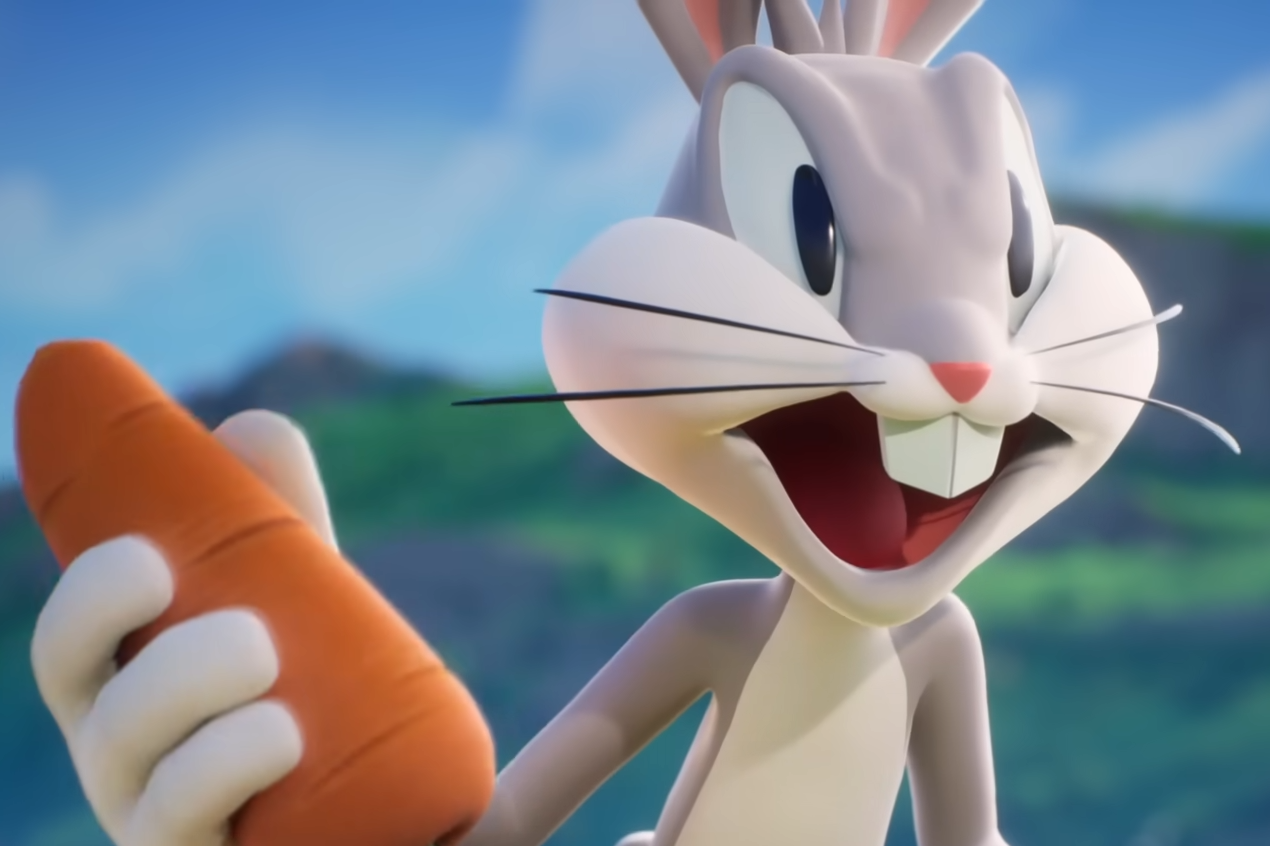
First appearance: 1940 (A Wild Hare)
Studio: Warner Bros.
Bugs Bunny is the archetypal cartoon smart-aleck. With a carrot in hand and the immortal line, “What’s up, doc?”, Bugs gracefully dodges danger and outsmarts enemies using intelligence rather than brute force.
Whether he’s outwitting Elmer Fudd, Daffy Duck, or space invaders like Marvin the Martian, Bugs embodies the underdog who wins with wit. He helped define the Looney Tunes brand and became a symbol of American humor during the Golden Age of Animation and beyond.
2. Homer Simpson – The Flawed Everyman
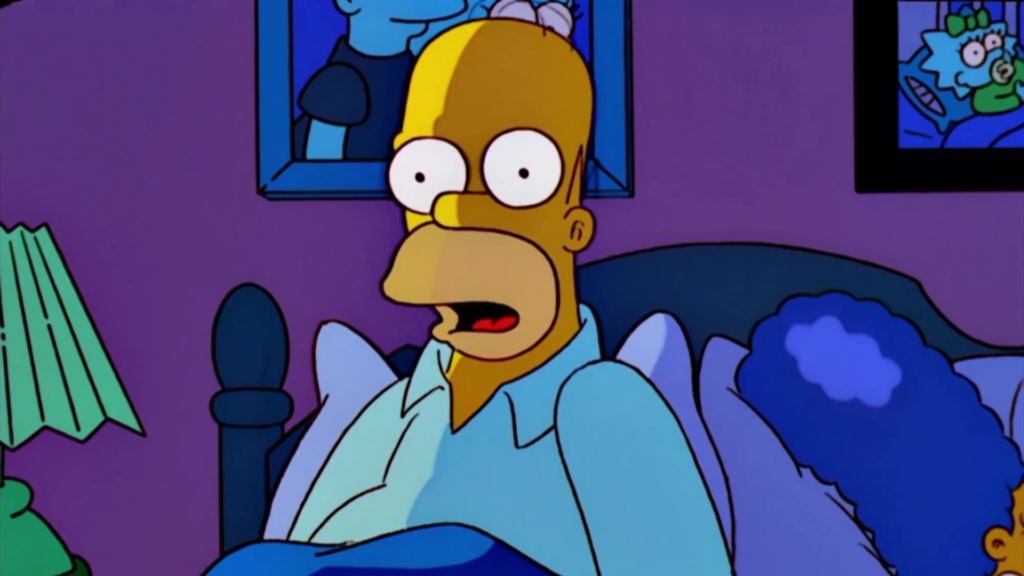
First appearance: 1987 (The Tracey Ullman Show), 1989 (The Simpsons)
Studio: Fox / Gracie Films
Homer Simpson is one of the most recognizable faces—and bellies—on television. A factory worker from Springfield, Homer is lazy, impulsive, and often foolish. Yet under all the “D’oh!” moments and donut obsession lies a father who genuinely loves his family.
Through Homer, The Simpsons satirizes consumer culture, politics, parenting, and everyday life. He’s a mirror of our own imperfections, and that’s exactly why audiences see themselves in him.
3. SpongeBob SquarePants – The Eternal Optimist

First appearance: 1999 (SpongeBob SquarePants)
Studio: Nickelodeon
SpongeBob is a walking (or rather, bouncing) embodiment of positivity. Living in a pineapple under the sea, he works as a fry cook at the Krusty Krab and treats every task—no matter how mundane—as an adventure.
His infectious enthusiasm, naive sincerity, and boundless energy made SpongeBob SquarePants one of the most influential cartoons of the late 1990s and 2000s. He’s not just for kids; layers of absurdist humor turned SpongeBob into a staple of internet memes and pop culture references.
4. Scooby-Doo – The Cowardly Hero

First appearance: 1969 (Scooby-Doo, Where Are You!)
Studios: Hanna-Barbera / Warner Bros.
Scooby-Doo is a Great Dane with a giant appetite and an equally giant fear of ghosts. Alongside Shaggy and the rest of Mystery Inc., Scooby travels in the Mystery Machine to investigate spooky happenings—usually unmasking a very human villain.
His stuttering speech, love of Scooby Snacks, and mix of cowardice and courage have made him a perennial favorite. Scooby-Doo helped define the “monster-of-the-week” mystery formula that countless other shows have imitated.
5. Jerry Mouse – The Small but Mighty Trickster
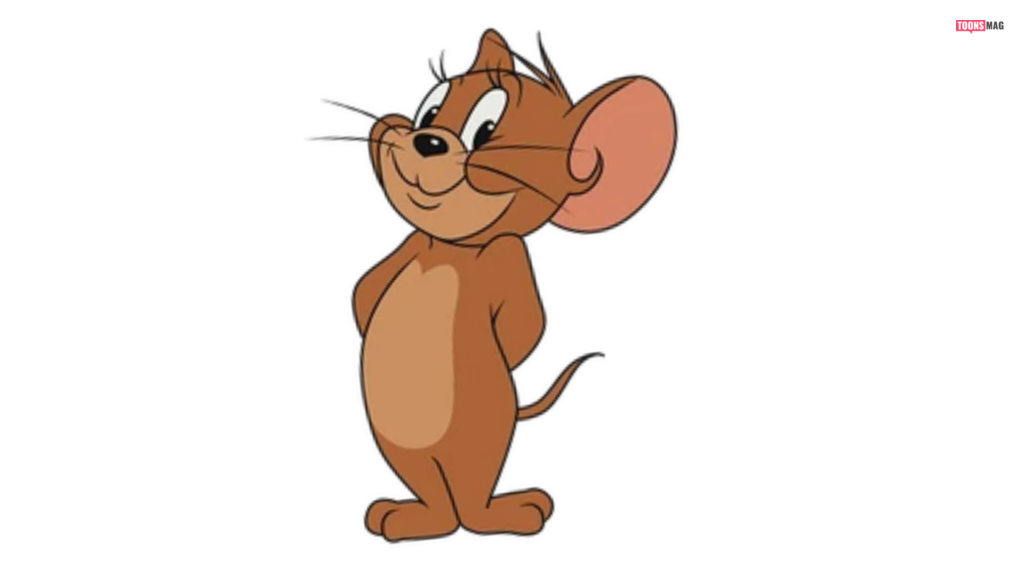
First appearance: 1940 (Puss Gets the Boot)
Studio: MGM
Jerry Mouse is proof that size doesn’t measure power. As half of the legendary duo Tom and Jerry, Jerry is clever, agile, and endlessly resourceful. He turns everyday household objects into weapons, traps, or tools to outwit Tom the cat.
Although usually on opposite sides, Tom and Jerry sometimes team up against common threats, giving their relationship surprising emotional nuance. Jerry’s charm lies in his mischievous intelligence and his ability to stay one step ahead.
6. Mickey Mouse – The Face of Animation

First appearance: 1928 (Steamboat Willie)
Studio: Disney
Mickey Mouse is a beloved cartoon character created by Walt Disney and Ub Iwerks in 1928. He is a cheerful, anthropomorphic mouse who typically wears red shorts, large yellow shoes, and white gloves. Mickey is known for his adventurous spirit, quick wit, and friendly personality, and has starred in countless cartoons, movies, and TV shows over the years.
He is often accompanied by his girlfriend Minnie Mouse, his loyal dog Pluto, and his friends Donald Duck, Goofy, and many others. Mickey Mouse has become an iconic figure in popular culture and is recognized and loved by people of all ages around the world.
7. Bart Simpson – The Rebel with a Slingshot

First appearance: 1987 (The Tracey Ullman Show), 1989 (The Simpsons)
Studio: Fox / Gracie Films
Bart Simpson is the original “bad kid” of modern TV animation. With his spiky hair, skateboard, and irreverent attitude, Bart became a symbol of youthful rebellion in the 1990s.
He pulls pranks, drives teachers crazy, and constantly tests Homer’s patience. Yet he also shows loyalty and vulnerability, especially in episodes that reveal his insecurities. His catchphrases—“Ay caramba!” and “Eat my shorts!”—became part of everyday language.
8. Charlie Brown – The Lovable Loser
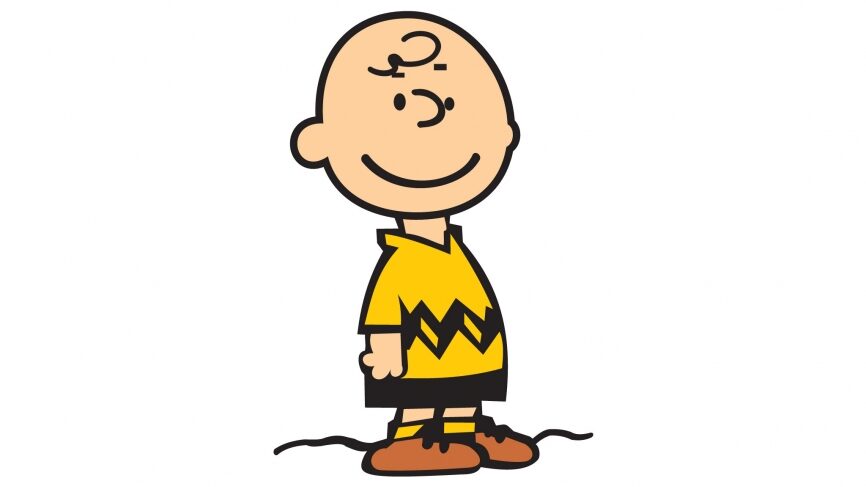
First appearance: 1950 (Peanuts comic strip)
Creator: Charles M. Schulz
Charlie Brown is one of the most human characters ever drawn. He fails at baseball, never manages to kick the football Lucy holds, and struggles with self-confidence. But he never stops trying.
His quiet resilience and moral decency turned him into a universal symbol of perseverance. Through Charlie Brown, Schulz explored loneliness, anxiety, hope, and kindness in a deceptively simple comic strip that touched millions.
9. Fred Flintstone – The Prehistoric Everyman
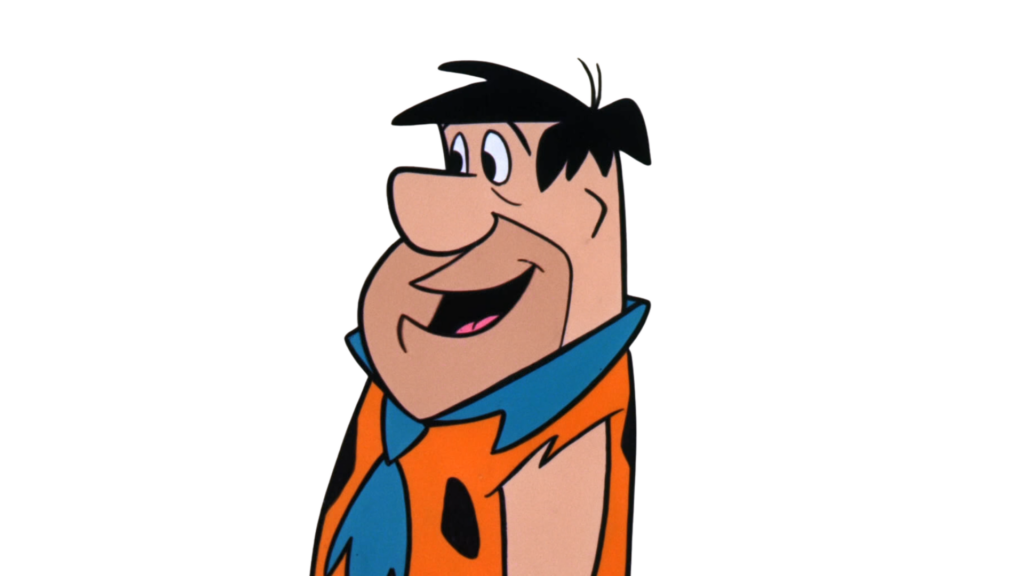
First appearance: 1960 (The Flintstones)
Studio: Hanna-Barbera
Fred Flintstone brought the family sitcom format into animation, long before The Simpsons or Family Guy. Living in the Stone Age town of Bedrock, Fred works at a quarry, drives a foot-powered car, and shouts “Yabba dabba doo!” at every victory.
He’s loud, stubborn, and often short-tempered, but he deeply cares for his wife Wilma, daughter Pebbles, and best friend Barney Rubble. The Flintstones pioneered prime-time animated sitcoms and proved that cartoons could succeed with adult audiences.
Fred is often portrayed as a lovable but somewhat hapless character, prone to getting himself into comical situations with his best friend and neighbor Barney Rubble. Despite his flaws, Fred’s loyalty to his family and friends, and his determination to do what’s right, have made him a beloved character for generations of fans.
10. Shaggy Rogers – The Laid-Back Sidekick
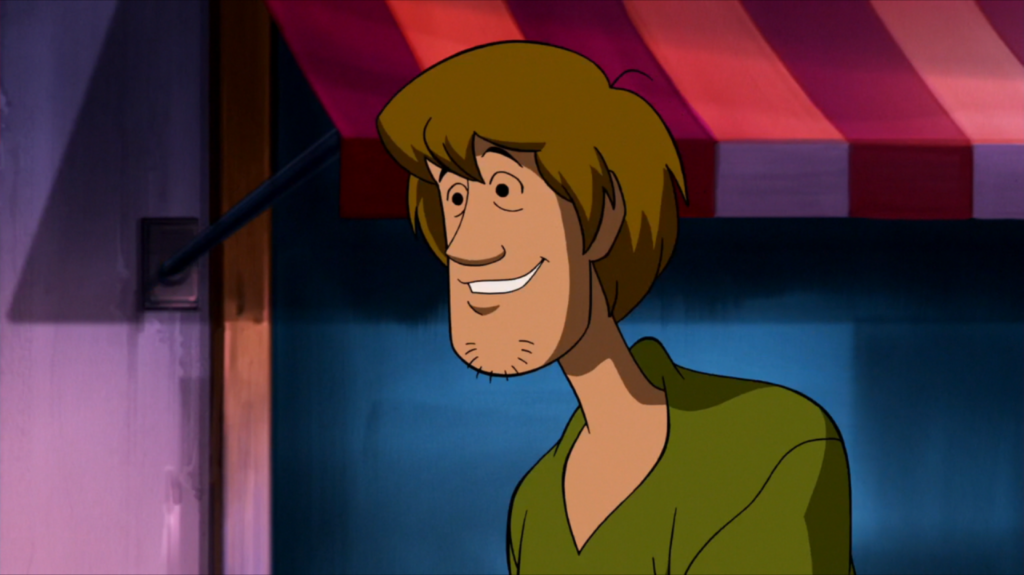
First appearance: 1969 (Scooby-Doo, Where Are You!)
Studio: Hanna-Barbera / Warner Bros.
Shaggy Rogers is a fictional cartoon character who first appeared in the popular TV show Scooby-Doo, Where Are You! in 1969. He is known for his distinct appearance, including his shaggy hair, green shirt, and brown pants.
Shaggy is the best friend and constant companion of the show’s titular character, Scooby-Doo, and the two are often seen getting into mischief and solving mysteries together. Shaggy is portrayed as a laid-back, cowardly, and often hungry character who loves to eat, especially sandwiches. He also has a distinct way of speaking, using phrases like “Zoinks!” and “Jinkies!”.
Despite his fearfulness, Shaggy is always willing to help his friends and solve a mystery, often using his quick reflexes and agility to evade danger. He has become an iconic character in popular culture and has appeared in numerous TV shows, movies, and other media adaptations of the Scooby-Doo franchise.
11. The Grinch – The Christmas Cynic Turned Hero
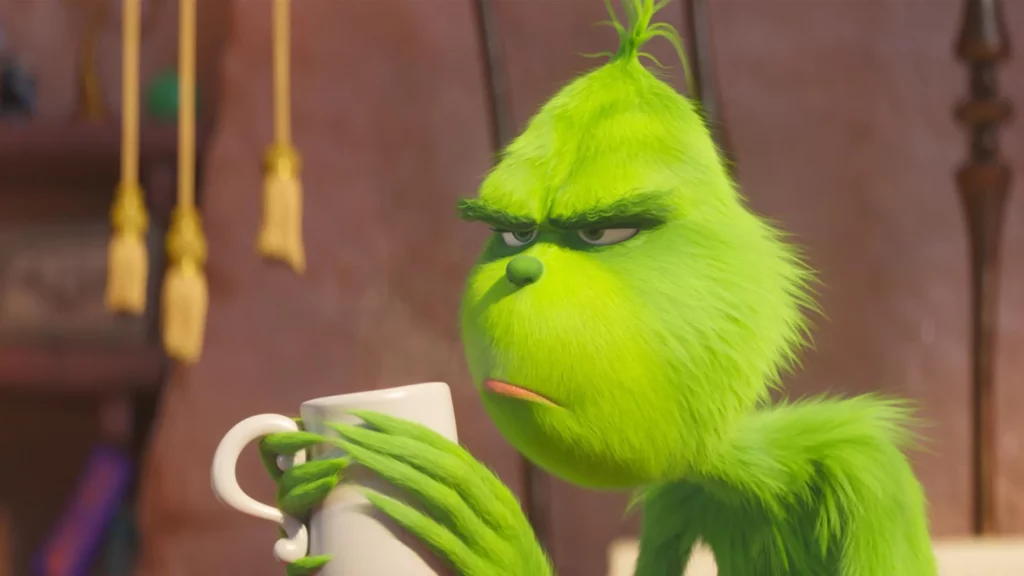
First appearance: 1957 (How the Grinch Stole Christmas!)
Creator: Dr. Seuss
The Grinch is a fictional character created by Dr. Seuss. He first appeared in the children’s book How the Grinch Stole Christmas! published in 1957. The Grinch is a green, furry, and mischievous creature who lives in a cave on the top of a mountain overlooking the town of Whoville. He hates Christmas and decides to steal all the Christmas presents and decorations from the Whos in order to ruin their holiday.
However, after encountering a young girl named Cindy Lou Who, the Grinch has a change of heart and learns the true meaning of Christmas. The character has been adapted into various films, TV shows, and plays, becoming a popular icon during the holiday season.
12. Popeye
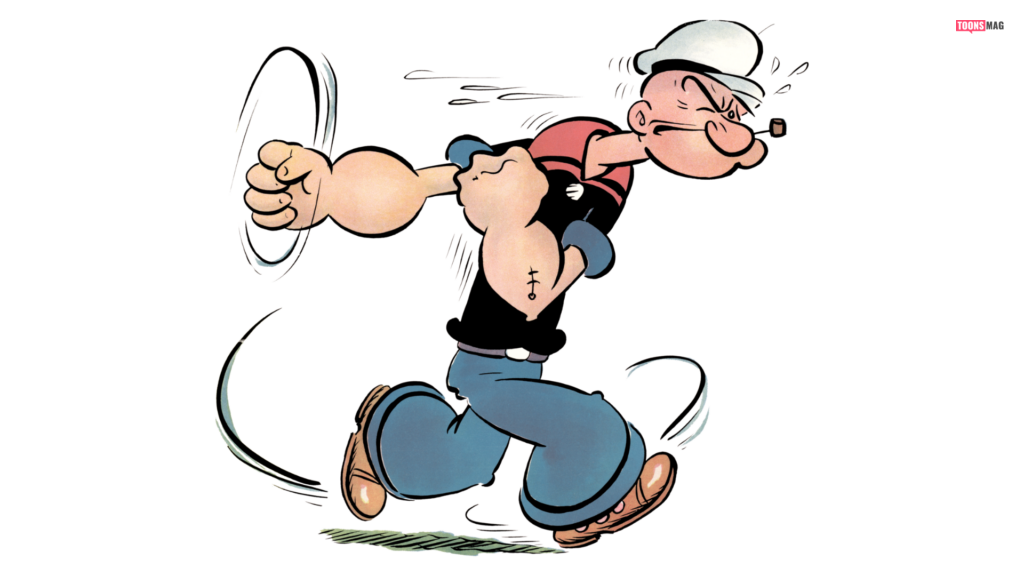
First appearance: 1929 (Thimble Theatre comic strip)
Creator: E.C. Segar
Popeye is a popular cartoon character created by Elzie Crisler Segar in 1929. He is known for his muscular physique, signature sailor outfit, and his affinity for spinach, which gives him superhuman strength.
Popeye’s most prominent physical feature is his one-eyed squint, which he acquired after being poked in the eye as a child. He is a tough, no-nonsense character who often finds himself in comical situations with his love interest, Olive Oyl, and his rival, Bluto. Popeye has appeared in numerous comics, animated series, films, and video games over the years and has become an iconic figure in popular culture.
13. Mojo Jojo – The Mad Genius Monkey
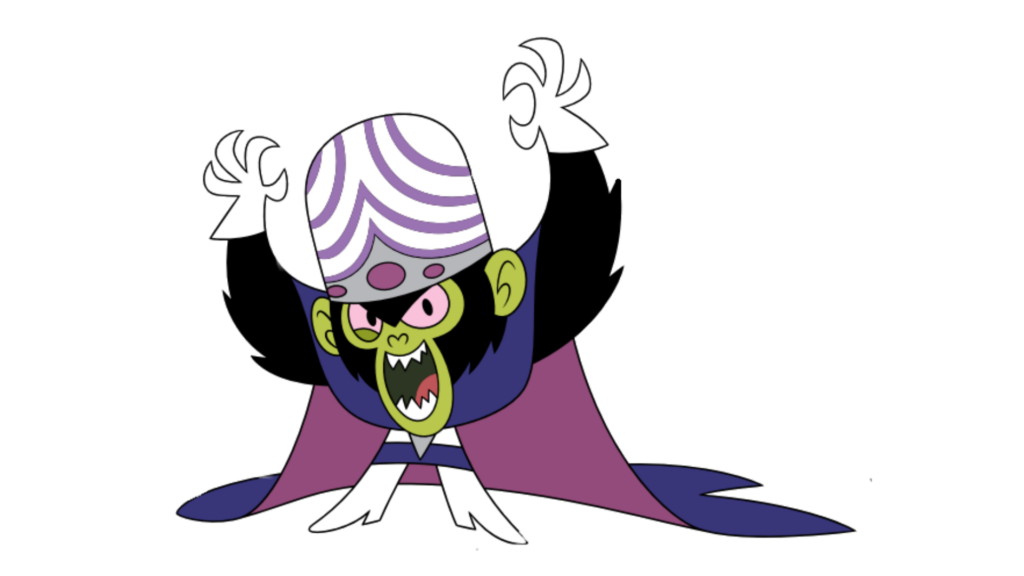
First appearance: 1998 (The Powerpuff Girls)
Studio: Cartoon Network
Mojo Jojo is a popular cartoon character from the animated television series The Powerpuff Girls. He is a super-intelligent, evil and crafty villain who serves as the primary antagonist of the show. Mojo Jojo is a green-skinned, simian-like character who wears a red fez hat and speaks with a distinctively robotic voice.
He is known for his signature catchphrase Curse you, Powerpuff Girls! and his constant attempts to take over the city of Townsville using his advanced technology and cunning strategies. Despite his villainous nature, Mojo Jojo is also a popular and beloved character among fans of the show for his comedic antics and memorable personality.
14. Yogi Bear – Smarter Than the Average Bear
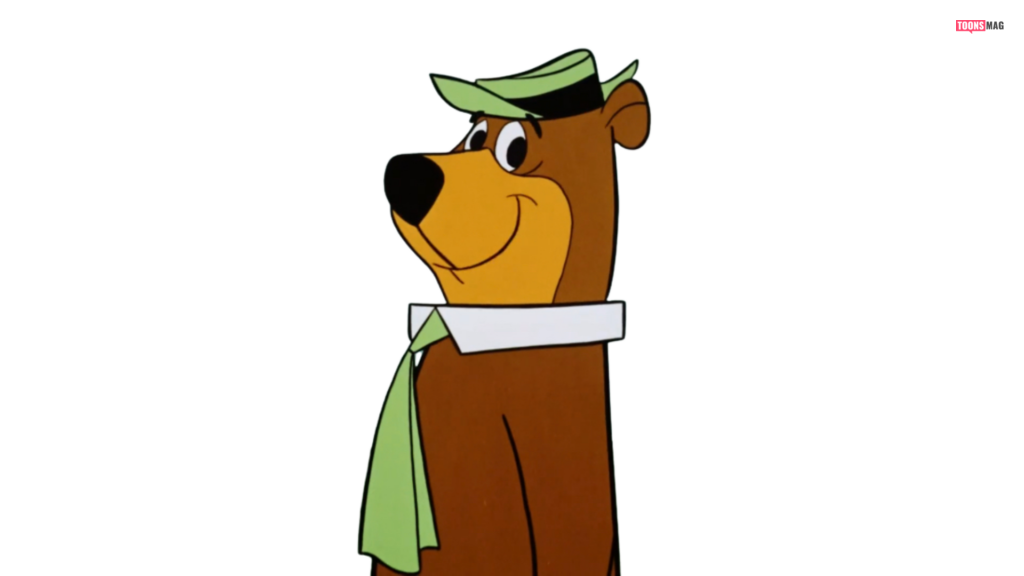
First appearance: 1958 (The Huckleberry Hound Show; own series 1961)
Studio: Hanna-Barbera
Yogi Bear is a popular animated character who first appeared in the Hanna-Barbera cartoon The Yogi Bear Show in 1958. Yogi is a bear who lives in Jellystone Park, where he and his best friend Boo Boo often try to steal picnic baskets from unsuspecting visitors.
Yogi is known for his iconic catchphrase, Smarter than the average bear, as well as his laid-back personality, love of food, and penchant for getting into trouble. Despite his mischievous nature, Yogi is a beloved character and has appeared in numerous cartoons, comic books, movies, and even video games over the years.
15. Jimmy Neutron – The Boy Genius
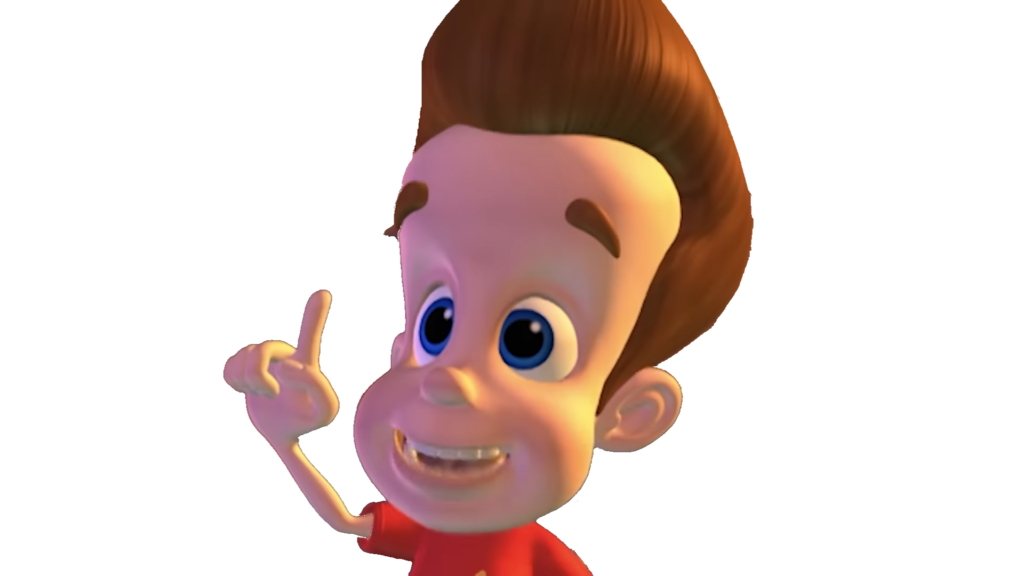
First appearance: 2001 film / 1998 pilot
Studio: Nickelodeon
Jimmy Neutron is a fictional cartoon character and the protagonist of the American animated television series The Adventures of Jimmy Neutron: Boy Genius. He is a young boy with a towering IQ who invents incredible gadgets and gizmos to solve everyday problems.
Jimmy is known for his wild hair, oversized head, and signature red and blue jumpsuit. He lives in the town of Retroville with his robot dog, Goddard, and his best friends, Carl and Sheen. Together, they go on exciting adventures and save the world from evil villains using Jimmy’s genius intellect and impressive inventions.
16. Porky Pig – The Stuttering Star
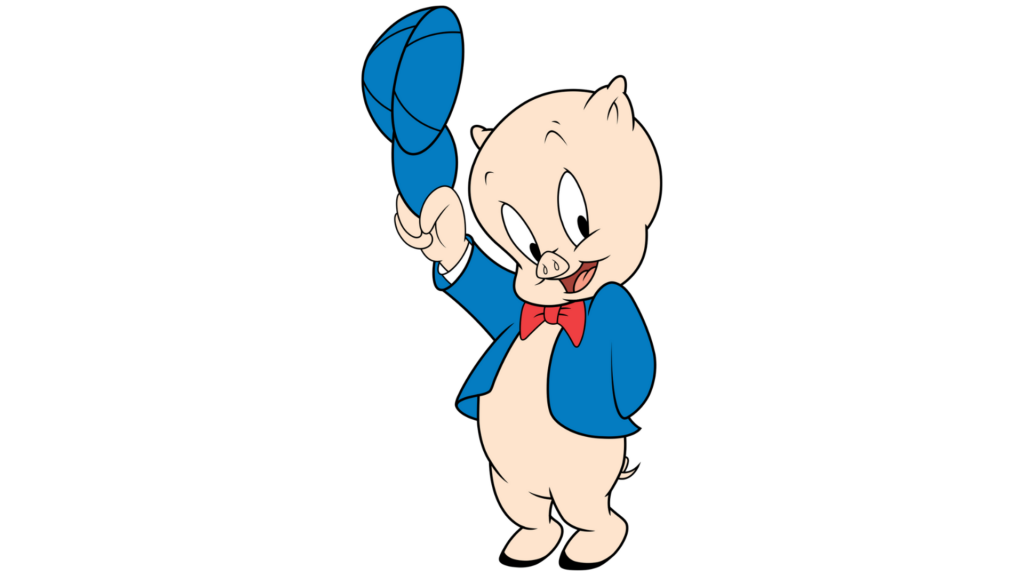
First appearance: 1935 (I Haven’t Got a Hat)
Studio: Warner Bros.
Porky Pig is a classic cartoon character created by Warner Bros. Animation. He is a lovable and stuttering anthropomorphic pig who first appeared in the 1935 short film I Haven’t Got a Hat. Porky is often portrayed as a friendly and easy-going character, although he can be easily flustered and overwhelmed by difficult situations.
He is a frequent companion of other Warner Bros. cartoon characters such as Daffy Duck and Bugs Bunny, and has appeared in numerous animated films and TV shows over the years. Porky Pig is perhaps best known for his iconic catchphrase, “Th-th-th-that’s all, folks!” which he utters at the end of many of his cartoons.
17. Arnold Shortman
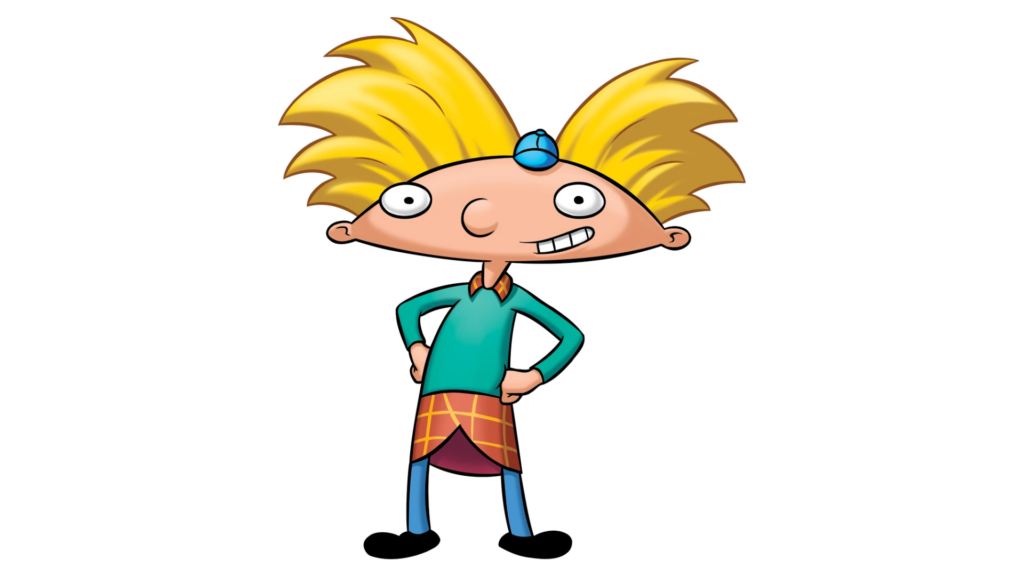
First appearance: 1996 (Hey Arnold!)
Studio: Nickelodeon
Arnold Shortman is the main character of the popular animated television show Hey Arnold! which aired from 1996 to 2004. Arnold is a fourth-grade student who lives in a boarding house with his grandparents in a fictional city called Hillwood. He is known for his distinctive football-shaped head and his upbeat, positive attitude.
Arnold is often seen helping others and trying to solve problems, and he has a strong sense of morality and justice. He is also a talented musician and enjoys playing the piano. Throughout the series, Arnold goes on many adventures with his friends and learns important life lessons along the way.
18. Smurfette – From Plot Device to Icon
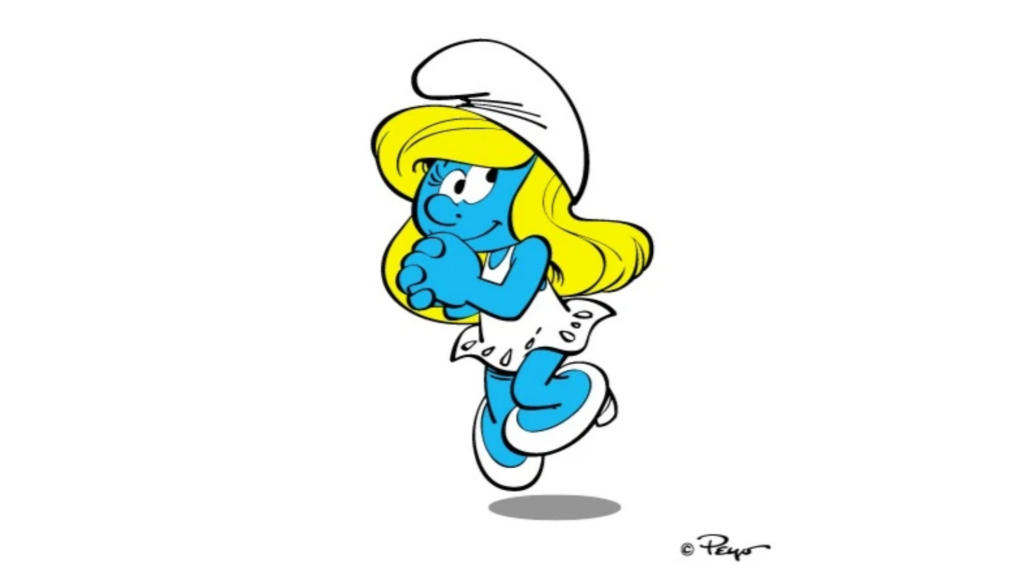
First appearance: 1960 (comics)
Franchise: The Smurfs
Smurfette is a fictional character from the popular Belgian comic franchise, The Smurfs. She was created by the evil wizard Gargamel in an attempt to cause mischief and chaos among the Smurfs, but was later transformed into a real Smurf by Papa Smurf’s magic.
Smurfette is the only female Smurf in the village, and her blonde hair and white dress make her easily recognizable. She is known for her sweet and kind personality, and is often depicted as being very caring towards her fellow Smurfs. Smurfette has appeared in numerous TV shows, movies, and video games, and remains a beloved character among fans of The Smurfs.
19. Cosmo and Wanda – The Chaotic Fairy Godparents
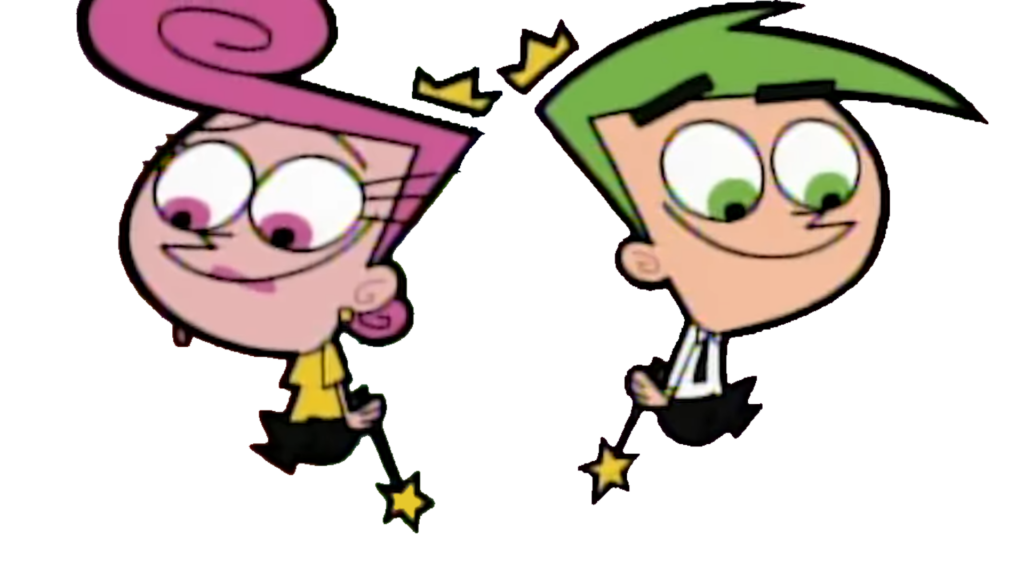
First appearance: 2001 (The Fairly OddParents)
Studio: Nickelodeon
Cosmo and Wanda are fairy godparents assigned to Timmy Turner. Wanda is practical and cautious; Cosmo is ridiculous and impulsive. Together, they grant Timmy’s wishes—with outcomes that are often disastrous and hilarious.
Their dynamic explores themes of responsibility, unintended consequences, and the pitfalls of “getting everything you want.” Their magical mishaps give the show its comedic core and emotional lessons.
Cosmo and Wanda are fictional characters from the popular animated television series The Fairly OddParents. They are fairy godparents who have been assigned to help the show’s protagonist, Timmy Turner. Cosmo is the more carefree and often dim-witted of the two, while Wanda is the more level-headed and responsible one. Together, they use their magical powers to grant Timmy’s wishes, often with unexpected and humorous consequences. Their quirky personalities and funny antics have made them beloved characters among fans of the show.
20. The Brain – The Mouse with a Plan
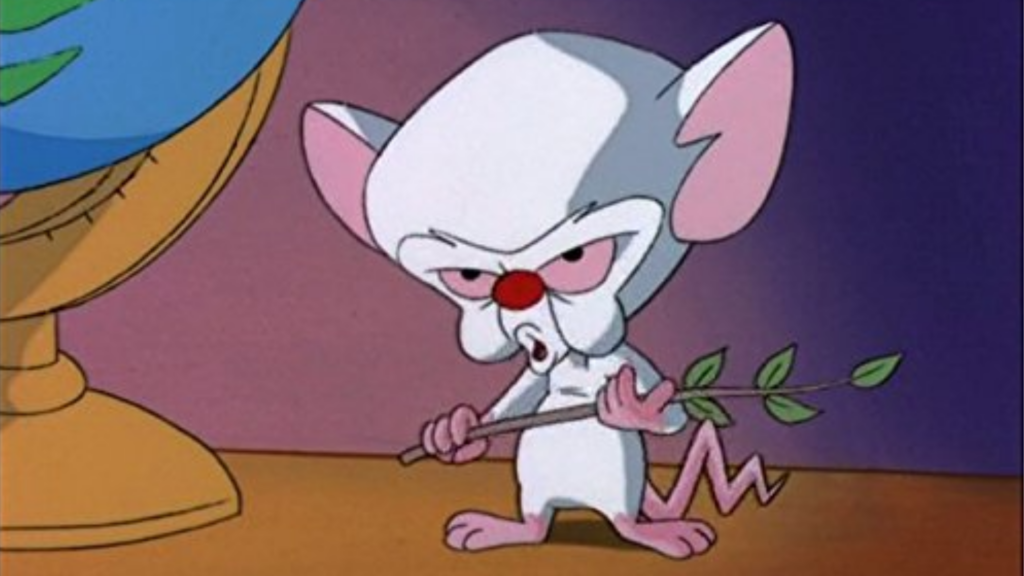
First appearance: 1993 (Animaniacs), later Pinky and the Brain
Studio: Warner Bros.
The Brain is a genetically enhanced lab mouse with one singular goal: to take over the world. Every night, he concocts an elaborate scheme with his dim-witted partner Pinky, and every night it fails—usually due to some small miscalculation or Pinky’s interference.
Parodying the archetype of the “evil genius,” The Brain is sophisticated, articulate, and tragically comedic. His failures make him strangely sympathetic, and his catchphrase, “Are you pondering what I’m pondering?”, became a cultural staple.
21. Penelope Pitstop – Glamour in Peril
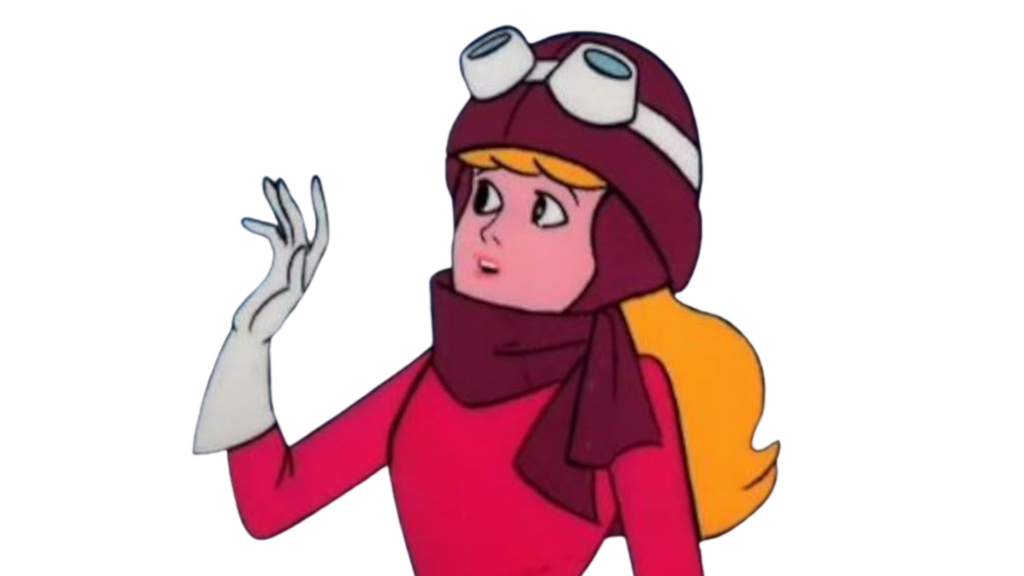
First appearance: 1968 (Wacky Races, later The Perils of Penelope Pitstop)
Studio: Hanna-Barbera
Penelope Pitstop is a cartoon character created by Hanna-Barbera Productions. She first appeared in the TV series Wacky Races in 1968 as a glamorous, blonde-haired driver of The Compact Pussycat car. Penelope is known for her beauty, intelligence, and her ability to handle any challenge that comes her way.
She is also pursued by her arch-nemesis, the villainous Sylvester Sneekly (also known as the Hooded Claw), who is always plotting to kidnap her and steal her fortune. Despite the constant danger she faces, Penelope remains calm and collected, often using her quick wit and cunning to outsmart her enemies. Over the years, Penelope Pitstop has become a beloved and iconic character in the world of cartoons, and remains popular among fans of all ages.
22. Batman – The Animated Dark Knight
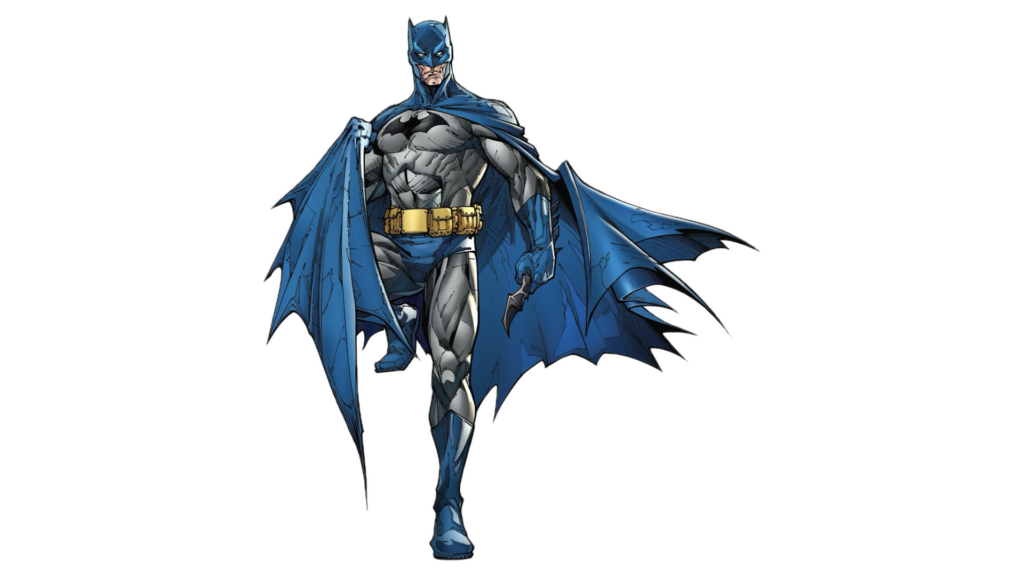
First major animated impact: 1992 (Batman: The Animated Series, following decades of comics and earlier animation)
Publisher: DC Comics
Batman is a fictional superhero appearing in American comic books published by DC Comics. The character was created by artist Bob Kane and writer Bill Finger, and first appeared in Detective Comics #27 in 1939.
Batman’s secret identity is Bruce Wayne, a billionaire businessman who uses his wealth, intelligence, and physical prowess to fight crime in Gotham City. Unlike many superheroes, Batman does not possess any superpowers; instead, he relies on his intellect, detective skills, and a variety of high-tech gadgets to thwart his enemies. Batman is often portrayed as a brooding and solitary figure, haunted by the murder of his parents and driven by a desire to rid Gotham of crime and corruption.
23. Mr. Magoo – The Oblivious Gentleman
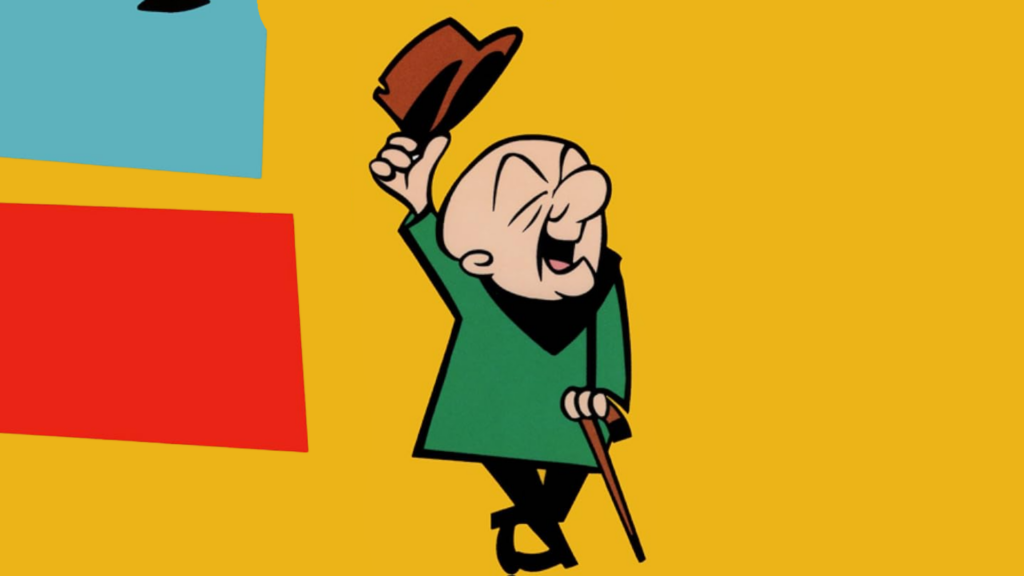
First appearance: 1949
Studio: UPA (United Productions of America)
Mr. Magoo is an elderly, near-sighted man who constantly misunderstands his surroundings—stepping through danger without ever realizing it. His stubborn refusal to acknowledge his poor eyesight generates comedic chaos.
The character showcased UPA’s distinctive minimalist style and helped move animation away from ultra-realistic designs, proving that strong personality and timing could carry a cartoon.
Mr. Magoo is a cartoon character who was created in 1949 by the animation studio UPA (United Productions of America). He is an elderly, near-sighted man who wears glasses and frequently finds himself in comical situations due to his inability to see clearly. Despite his poor eyesight, Mr. Magoo is often stubborn and refuses to admit that he needs help. He is known for his catchphrase Oh Magoo, you’ve done it again! which he says after inadvertently causing chaos around him. Mr. Magoo has appeared in numerous cartoons, television shows, and movies over the years, and has become a beloved character in popular culture.
24. Son Goku – The Saiyan Hero
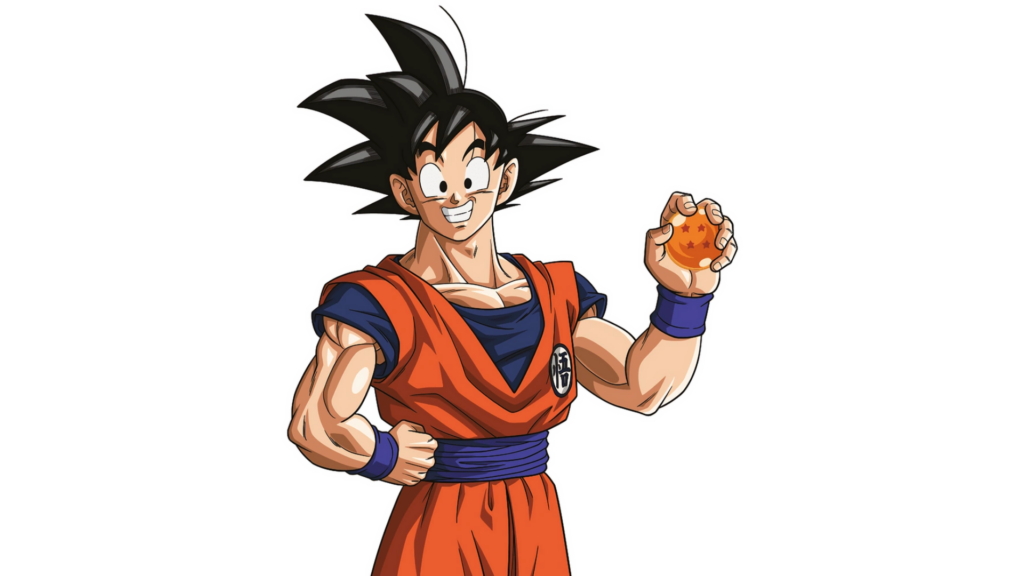
First appearance: 1984 (Dragon Ball manga)
Creator: Akira Toriyama
Son Goku is the main protagonist of the Dragon Ball manga and anime series. He is a powerful warrior and defender of Earth, who possesses extraordinary strength, agility, and endurance. Goku is known for his signature fighting style and techniques, including the Kamehameha wave, which involves gathering and releasing energy from the hands. He is also characterized by his pure heart, determination, and willingness to protect his loved ones and the planet from threats such as aliens and evil organizations.
Throughout the series, Goku faces many challenges and opponents, but his courage and strength always prevail, making him a beloved and iconic character in the world of anime and manga.
25. Underdog – The Superpowered Outsider
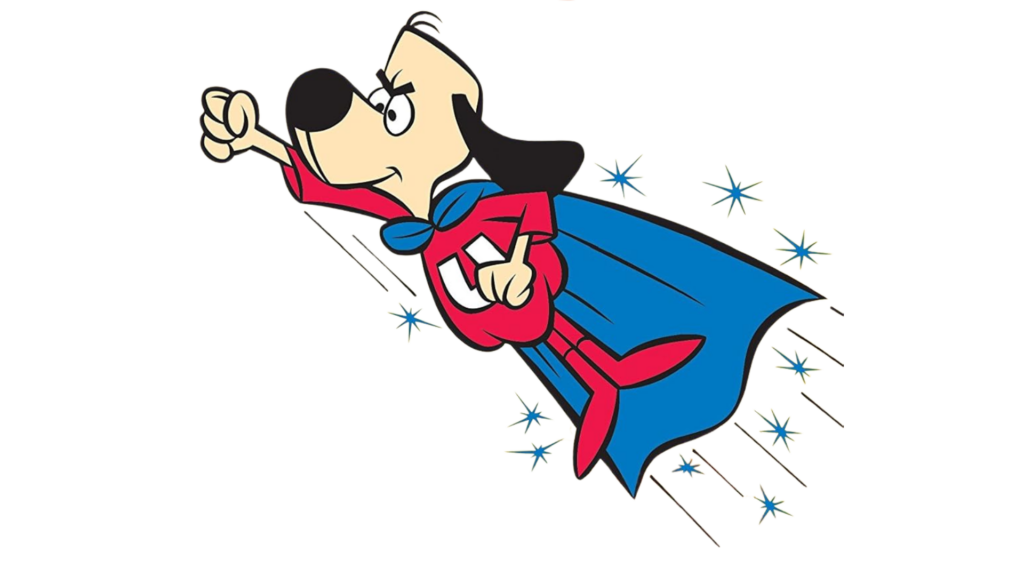
First appearance: 1964
Network: NBC / CBS
Underdog is a popular cartoon character who first appeared in an American animated TV series of the same name in 1964. He is a superhero dog who possesses superpowers like flight, super strength, and invulnerability. Underdog is often called to save the day and fight villains who threaten the safety of his city.
He is known for his iconic catchphrase There’s no need to fear, Underdog is here! and his blue costume with a red cape. Underdog has since become a beloved character in popular culture, inspiring multiple adaptations and spin-offs, including a live-action film in 2007.
26. Donald Duck (Disney): The World’s Loudest Relatable Hero
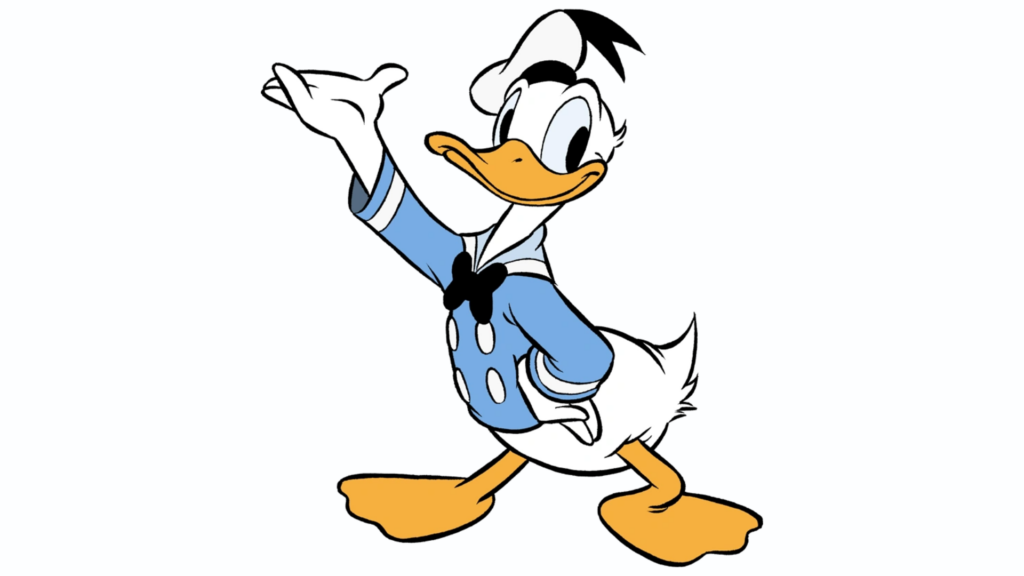
Debut: 1934 (The Wise Little Hen)
Known for: explosive temper, bad luck, “duck talk,” stubborn resilience
Donald Duck is one of Disney’s most enduring creations precisely because he’s hilariously imperfect. Where Mickey often functions as animation’s optimistic “ideal,” Donald is the messy, human side of the equation: prideful, impatient, easily frustrated, and determined to prove himself even when the universe seems allergic to giving him a break. His comedy is built on tension—Donald wants control, but life refuses to cooperate. That mismatch fuels endless gags and, strangely, a lot of empathy.
Donald’s expressive body language and semi-unintelligible voice (a performance tradition rooted in classic character animation) made him a powerhouse in shorts and TV. But what many viewers—especially those raised on Disney films—often overlook is Donald’s vast international comics legacy. In multiple countries, particularly across Europe and Latin America, Donald’s comic stories didn’t just supplement animation; they became a major cultural pillar of everyday reading, expanding his world into long-form adventures, richer supporting casts, and deeper storytelling than most shorts could offer.
Donald’s timeless appeal is that he fails loudly, argues with reality, tries again, and keeps going. He’s funny because he’s dramatic—and relatable because he never stops trying.
27. Daffy Duck (Looney Tunes): The Patron Saint of Cartoon Chaos
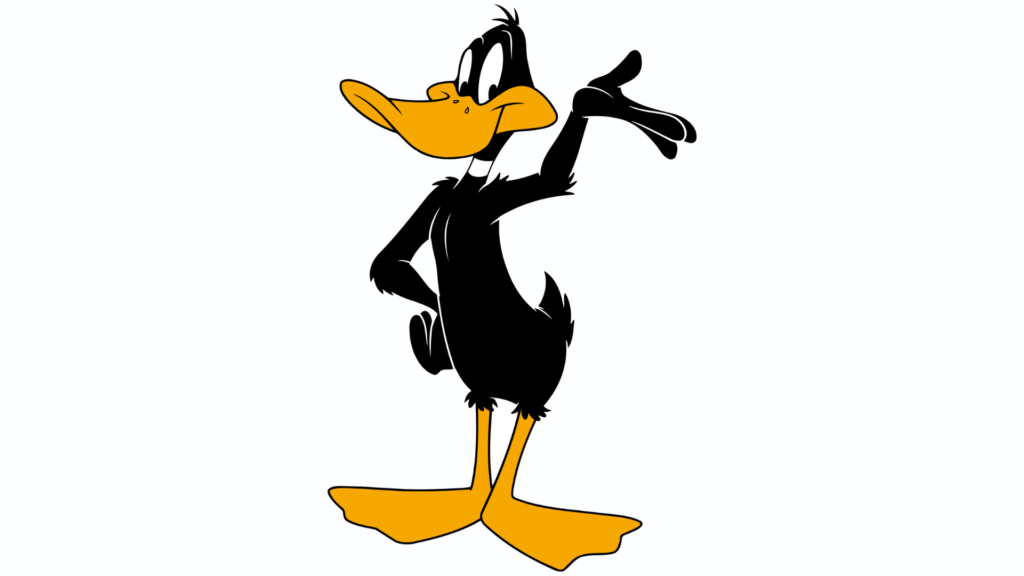
Debut: 1937 (Porky’s Duck Hunt)
Known for: ego, jealousy, elastic reality, meta-humor, constant reinvention
Daffy Duck is animation’s master of comedic chaos—an engine powered by ego and the desperate need to be the star. What makes Daffy iconic isn’t a single “fixed” personality, but his ability to mutate across eras. There’s the early zany Daffy, the later spotlight-chaser Daffy, the greedy schemer, the self-sabotaging performer, and even occasional sympathetic interpretations in modern revivals. That flexibility is his superpower.
Daffy’s genius lies in how perfectly he embodies “cartoon logic.” He can break reality, break the fourth wall, and break himself—then bounce back for the next gag. He is, in many ways, a blueprint for modern meta-comedy: a character who behaves like he knows he’s in a cartoon, and becomes furious when the universe refuses to reward his ambition. If Bugs Bunny represents cool confidence, Daffy represents what happens when ambition turns into comedy.
28. Tom Cat (Tom and Jerry): The Silent-Film Actor of Animation
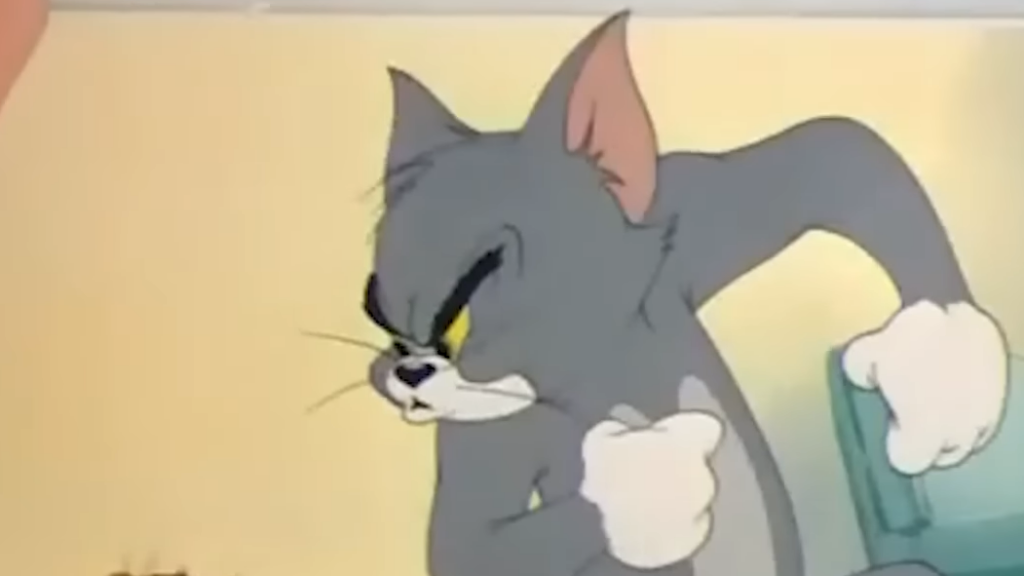
Debut: 1940 (Puss Gets the Boot)
Known for: expressive physical acting, pride, humiliation, slapstick choreography
Tom is one of animation’s greatest physical performers—almost like a silent-film star drawn in ink. While the premise is simple (“cat chases mouse”), Tom’s real magic is how much personality he communicates without speech: pride, embarrassment, anger, desperation, tenderness, and occasional flashes of dignity. He’s not just a predator—he’s a performer, and every gag is a stage routine.
Tom is also a character defined by rhythm. The best Tom and Jerry shorts unfold like musical choreography, where every impact, pause, and reaction lands with precise timing. That’s why Tom became a worldwide icon: his humor doesn’t depend on language. It’s visual storytelling at its purest.
Interestingly, despite being the “chaser,” Tom is often the one audiences sympathize with. He works so hard, fails so spectacularly, and expresses such sincere frustration that viewers can’t help but see him as the underdog—even when he’s technically in the stronger position.
29. Tweety (Looney Tunes): Cute, Clever, and Dangerously Capable
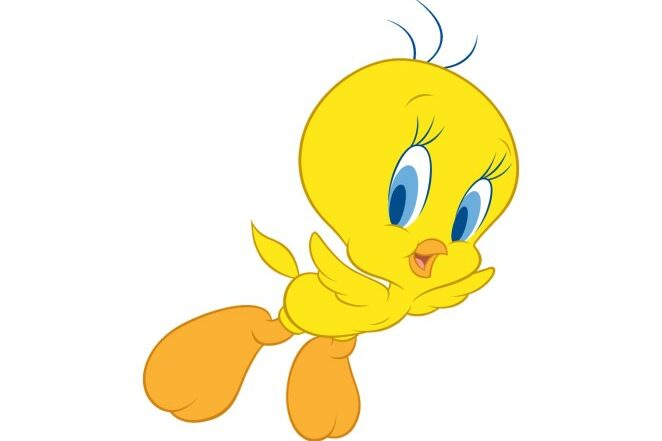
Debut: 1942 (A Tale of Two Kitties)
Known for: innocence-as-weapon, reversal comedy, massive merchandising
Tweety is one of the most successful “cute-but-dangerous” characters in cartoon history. On the surface, Tweety is innocence—big head, baby voice, wide eyes. But the comedic core is reversal: Tweety is far sharper and more capable than the predator chasing him.
In classic shorts, Tweety frequently flips the power dynamic through timing, clever traps, and a calm confidence that makes Sylvester’s desperation even funnier. Tweety became a symbol of underestimated power: the smallest character in the room who somehow controls the entire situation.
Beyond animation, Tweety grew into a merchandising giant, particularly from the late 20th century onward—appearing on fashion, accessories, stationery, collectibles, and pop-art products worldwide. Tweety’s design is so iconic that it remains instantly readable even as a silhouette, proving how strong character branding can carry a figure across decades.
30. Sylvester the Cat (Looney Tunes): Persistence, Panic, and Perfect Frustration Comedy
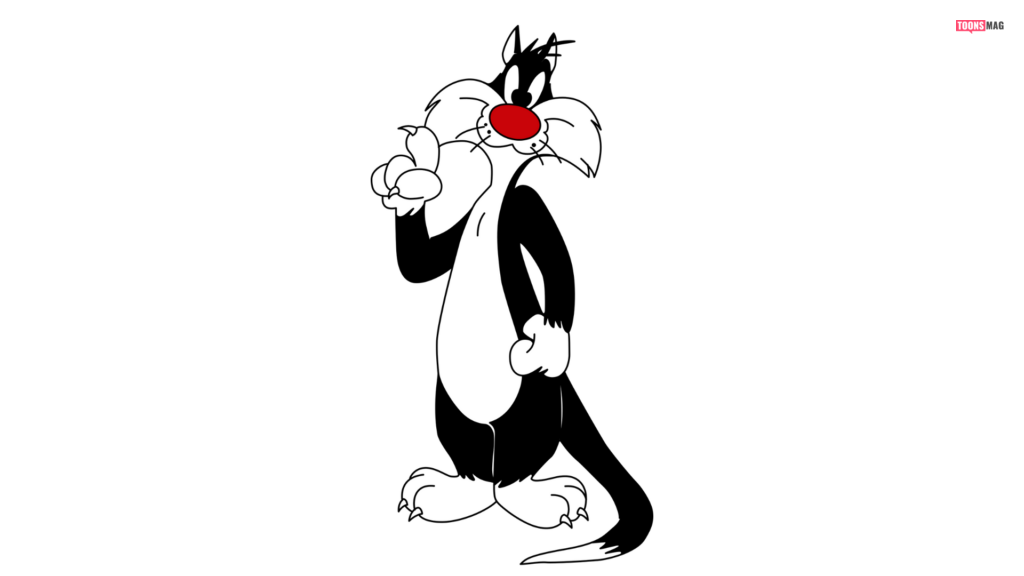
Debut: 1945 (Life with Feathers)
Known for: lisp, theatrical overconfidence, emotional collapse, “so close” failures
Sylvester is a comedy machine built from persistence and frustration. His lisp, dramatic confidence, and escalating panic create a rhythm audiences instantly recognize: he believes he’s the hunter… and reality humiliates him with merciless consistency.
Sylvester’s most famous dynamic—chasing Tweety—became a defining predator/prey template: the predator is bigger and “should” win, but the smaller character outsmarts him. Sylvester remains beloved because he’s expressive and theatrical in the way he suffers. He doesn’t just fail—he performs failure, with maximum emotion and minimum dignity.
That mix of menace and vulnerability makes him one of classic animation’s richest comedic personalities. He’s always so close, always trying, always crashing—yet never quitting.
31. Winnie-the-Pooh: The Comfort Character Who Teaches Quiet Wisdom
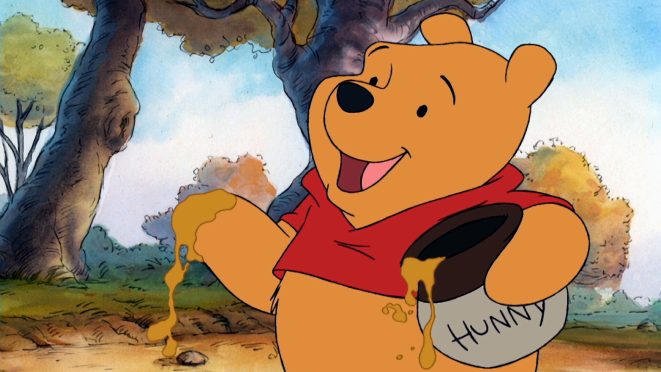
Debut: 1920s (A. A. Milne’s books); later expanded through animation
Known for: gentleness, friendship, slow living, emotional comfort
Winnie-the-Pooh began as a literary character and became one of the most emotionally comforting icons in children’s storytelling. Pooh’s power isn’t action—it’s presence. His world teaches a kind of wisdom that modern life often forgets: friendship, patience, kindness, and the value of ordinary days.
Pooh resonates across ages because the stories work on two levels. Children see warmth and gentle adventure; adults feel the undertone of growing up—of trying to hold onto simplicity while time keeps moving. Animation amplified Pooh’s reach globally, turning him into a lifelong companion for millions.
His design—soft, round, minimal—also helped define what many now call “comfort character” aesthetics: visually safe, emotionally reassuring, and timelessly approachable.
32. Optimus Prime (Transformers): The Mythic Leader Born from a Toy Aisle
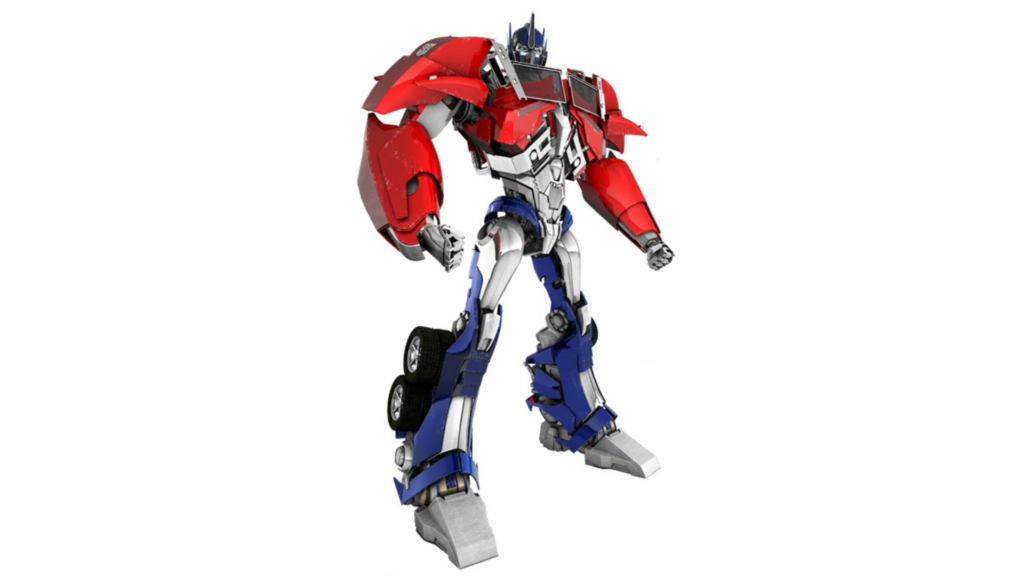
Debut: 1984
Known for: sacrifice, responsibility, noble leadership, moral clarity
Optimus Prime became legendary because he made a toy franchise feel like myth. In a world originally built around selling action figures, Optimus stood out as a character with genuine moral weight: a leader defined not by domination but by duty.
He isn’t compelling because he’s powerful—he’s compelling because he’s principled. Optimus represents an almost classical heroic ideal: the commander who carries the burden so others don’t have to. That’s why Transformers storytelling endured beyond marketing—Optimus became a symbol of honorable leadership, influencing how pop culture portrays “the noble warrior” across genres.
For many viewers, Optimus is a childhood introduction to the idea that strength means responsibility, and leadership means sacrifice.
33. Rick Sanchez (Rick and Morty): The Genius Who Can’t Fix Himself
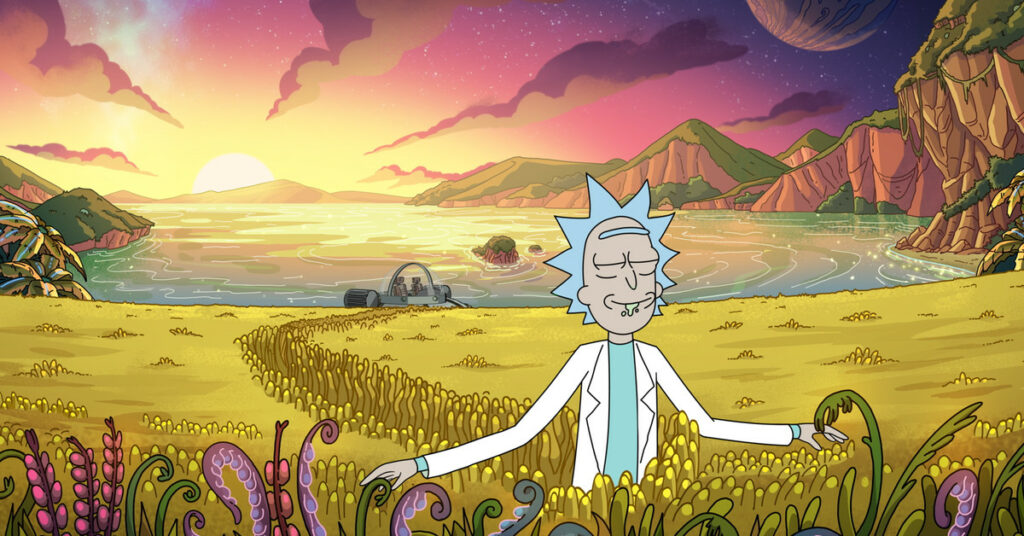
Debut: 2013
Known for: cosmic sci-fi power, nihilism, addiction themes, “toxic genius” archetype
Rick Sanchez is a defining figure of modern adult animation because he embodies brilliance without comfort. He’s hyper-intelligent, scientifically unstoppable—and emotionally catastrophic. The character fuses cosmic-scale sci-fi concepts with intensely human dysfunction: addiction, arrogance, nihilism, and a refusal to be vulnerable.
What makes Rick culturally powerful is the contradiction. He can outthink the universe, but often can’t handle intimacy, accountability, or meaning. He represents a modern archetype—the “toxic genius”—and the narrative uses him to satirize everything from family dynamics to existential philosophy.
Rick became a pop icon because he’s both the power fantasy and the warning label: the smartest man alive who still can’t escape himself.
34. BoJack Horseman: The Animated Character Who Redefined Emotional Realism
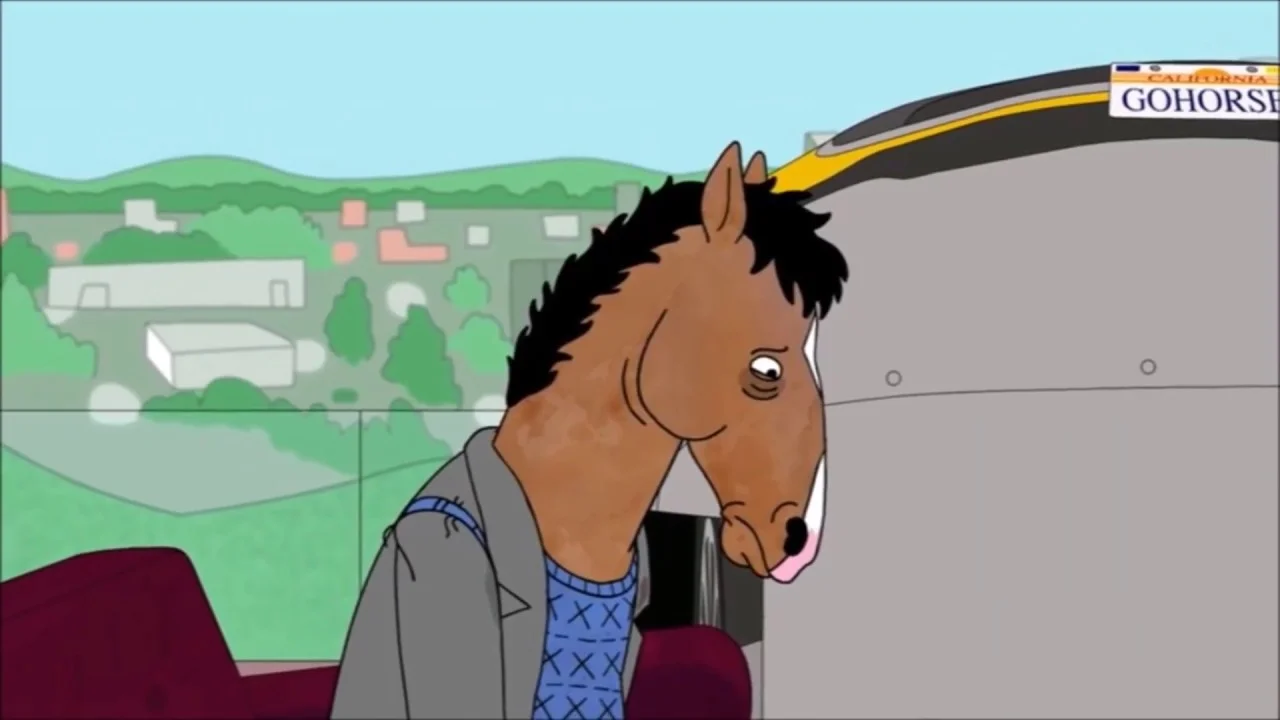
Debut: 2014
Known for: depression realism, addiction, trauma, Hollywood satire turned character study
BoJack Horseman helped redefine what animation could do emotionally. It begins as Hollywood satire—funny, cynical, absurd—but gradually evolves into one of the sharpest character studies in modern television. The series explores depression, addiction, self-sabotage, trauma, and the long-term consequences of unresolved pain with uncomfortable honesty.
BoJack’s fame isn’t about being lovable; it’s about being real in a way audiences didn’t expect from an animated show. The animal-human world provides comedic distance—letting the show explore heavy subjects without becoming unbearable—then hits harder when emotional truth lands.
BoJack proved that animation can carry the psychological weight of prestige drama while still using visual humor, surrealism, and metaphor as storytelling tools.
35. Hello Kitty (Sanrio): The Character Who Became a Global Language
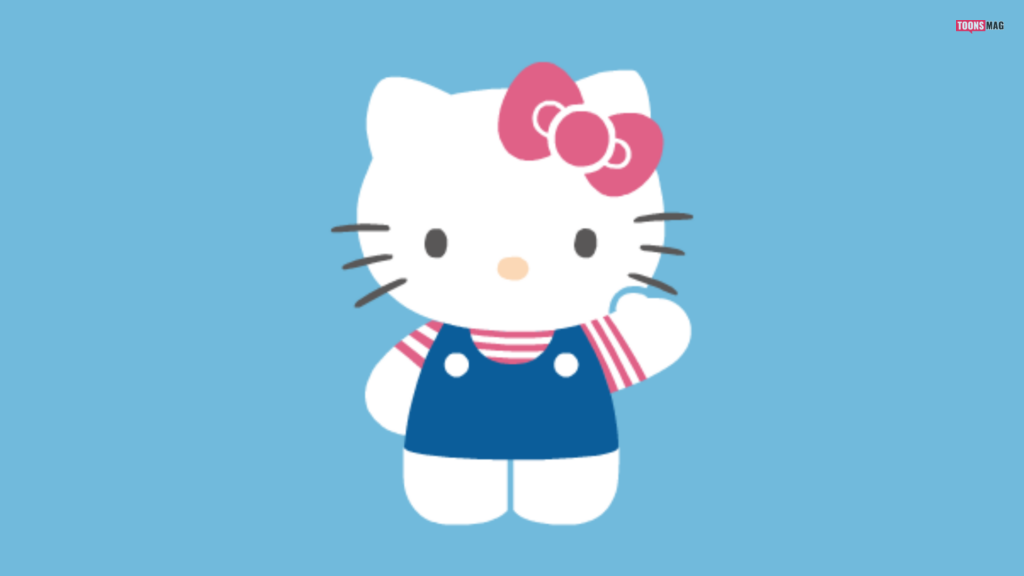
Debut: 1974
Known for: minimal design, no mouth, kawaii culture, lifestyle branding empire
Hello Kitty is one of the most successful character brands in human history. Her design is deceptively simple: clean lines, soft proportions, signature bow—and famously, no mouth. That “blank” expression is part of her genius. Fans project their own emotions onto her, making her universally relatable in a way few characters achieve.
Hello Kitty isn’t just entertainment; she’s a lifestyle symbol woven into fashion, school culture, home goods, collaborations, themed cafés, and global pop aesthetics. She helped define and export kawaii culture worldwide, demonstrating how character design can become identity—not merely a mascot.
Hello Kitty’s influence is so broad she functions like a cultural language: instantly recognizable across borders, generations, and mediums.
Why These Cartoon Characters Became Legends
They’re instantly recognizable.
A silhouette, voice, or catchphrase is enough to trigger memory.
They adapt across generations.
They survive format changes—new animation styles, new platforms, new audiences.
They shape language and humor.
“D’oh!”, “What’s up, doc?”, “Zoinks!”—these phrases entered everyday speech.
They inspire artists worldwide.
Fan art, parodies, comics, and tributes spread globally through communities like Cartoonist Network, where creators reimagine icons across cultures and languages.
Why These Characters Endure
Across decades, technologies, and platforms, these cartoon characters continue to resonate because:
- They embody universal emotions—hope, fear, curiosity, mischief, love.
- They offer visual shorthand for entire sets of ideas or feelings.
- They evolve with each new generation while maintaining a core identity.
- They inspire artists, animators, and storytellers all over the world.
From mischievous rabbits to heroic warriors, clumsy dads to boy geniuses, these creations prove that animation and cartooning are among the most powerful storytelling tools we have. The lines may be simple, but the impact is profound—and timeless.
The 35+ Most Famous Cartoon Characters of All Time: A Universe of Icons
The most famous cartoon characters don’t just entertain—they become cultural reference points that live alongside us. They represent eras, emotions, humor styles, moral lessons, and creative revolutions. Whether you grew up with classic theatrical shorts, Saturday morning TV, modern adult animation, or global anime, these icons prove that cartoons are not “just for kids”—they’re part of the world’s shared storytelling heritage.
Have we overlooked any? Please share your preferred one by utilizing the submission form provided below.
This post was created with our nice and easy submission form. Create your post!






3 Comments