



 Tor Alosson
30 Most Famous Comics Characters from the World: Comics are one of humanity’s most flexible storytelling languages. In a few panels—or across a thousand-page saga—comics can deliver mythology, politics, romance, horror, sports, slice-of-life, and superhero spectacle. And at the center of it all are characters: figures so vivid that they outgrow their original pages and become cultural landmarks.
This expanded edition of “30 Most Famous Comics Characters from the World” goes deeper than quick summaries. For each icon, I’ll highlight why they matter, what made them resonate, and how they shaped the medium—from American superhero titans to European adventure classics, from Japanese manga legends to beloved characters from South Asia and Latin America.
What makes a comic character “world-famous”?
Not every great character becomes a global icon. The ones who do tend to share a few traits:
- Instant recognizability (silhouette, costume, expression, symbol)
- A strong core idea (hope, justice, rebellion, curiosity, humor, resilience)
- Adaptability (comics → animation, film, games, merchandise)
- Emotional stickiness (readers feel they know them)
- Cultural reach (translations, reprints, international fandom)
With that in mind, here are 30 of the most famous comic characters from across the world—expanded with richer context and cleaner organization.
1. Superman (DC Comics, USA): The Hero Who Invented the Superhero

Debut: 1938 (Action Comics #1)
Known for: the “S” shield, Metropolis, Clark Kent, moral clarity
Superman didn’t just become famous—he created the template for modern superhero storytelling. Before Superman, costumed heroes existed in pieces, scattered across pulp adventure and mythic folklore. After Superman, the superhero genre clicked into a recognizable form: secret identity, iconic costume, signature powers, recurring villains, and an ethical mission bigger than personal gain.
What makes Superman endure isn’t only his strength, flight, or Kryptonian origin. It’s the idea that power should be guided by restraint and compassion. His Clark Kent identity matters because it frames the fantasy: Superman isn’t a god pretending to be human—he’s a person choosing humility, choosing to listen, choosing to protect. Over decades, writers have tested his ideals against war, corruption, propaganda, and cynicism, and the character survives because he offers something stubbornly rare in pop culture: hope that doesn’t feel naïve—hope that feels like a decision.
Why he endures: hope as a brand of strength.
2. Batman (DC Comics, USA): The Hero Built from Human Limits

Debut: 1939 (Detective Comics #27)
Known for: Gotham City, the Bat-Signal, detective skill, iconic villains
Batman is proof that a character can be legendary without superpowers. If Superman is the light above the skyline, Batman is the shadow in the alley—the vigilante myth shaped into a modern detective. Batman’s appeal is rooted in human limits: grief, fear, discipline, obsession, and the relentless effort to impose meaning on chaos.
His story is endlessly adaptable because Gotham is not just a city—it’s a metaphor for systems that fail people: corruption, crime, inequality, institutional rot. Batman fights criminals, but he also fights despair. His gadgets and training are spectacle, yes, but the deeper pull is psychological: Bruce Wayne becomes Batman because pain demands a shape, and he chooses to become that shape.
Batman also has one of fiction’s strongest supporting ecosystems. His Rogues’ Gallery—The Joker, Catwoman, Two-Face, The Penguin—forms a rotating mirror of moral questions: order vs chaos, justice vs revenge, mask vs identity. Few characters have been reinterpreted so successfully across comics, animation, film, and games.
Why he endures: he’s a superhero built from human limits.
3. Spider-Man (Marvel Comics, USA): Relatability Turned into Legend

Debut: 1962 (Amazing Fantasy #15)
Known for: web-slinging, wisecracks, “With great power comes great responsibility”
Spider-Man changed the emotional temperature of superhero fiction. Peter Parker wasn’t a billionaire or an alien—he was a stressed student juggling homework, money problems, romance, guilt, and fear. That relatability became revolutionary. Readers didn’t just admire him; they recognized themselves in him.
Spider-Man’s design is also a masterpiece: bold colors, full-face mask (making him universally “anyone”), and a body language built for motion. He swings through cities like animation—pure kinetic storytelling. His villains reflect everyday anxieties magnified: responsibility, ambition, power misuse, identity crisis.
Most importantly, Spider-Man’s guiding principle—responsibility—remains one of pop culture’s most quoted moral anchors. It’s not about being perfect. It’s about choosing to do good even when it costs you, and often when nobody thanks you.
Why he endures: relatability turned into legend.
4. Wonder Woman (DC Comics, USA): Strength and Compassion in the Same Breath

Debut: 1941
Known for: Themyscira, Lasso of Truth, Amazonian warrior ethos
Wonder Woman is not simply “a female Superman” or “a warrior princess.” She is a foundational symbol of empowerment because her heroism fuses power with empathy. Where many heroes are defined by violence or trauma, Wonder Woman is defined by moral clarity and emotional intelligence—an Amazon trained for battle who believes peace is worth fighting for.
Her tools are symbolic: the Lasso of Truth represents accountability; the bracelets represent resilience; the tiara is both identity and weapon. But her deeper story is cultural: she bridges worlds—myth and modernity, tradition and change, strength and compassion.
In pop culture terms, Wonder Woman endures because she expands what heroism looks like. She proves that compassion is not weakness, and that justice isn’t only punishment—it’s protection, healing, and truth.
Why she endures: strength + compassion, not strength instead of compassion.
5. Wolverine (Marvel Comics, Canada/USA): The Wounded Warrior Searching for a Soul

Debut: 1974 (The Incredible Hulk #180/#181)
Known for: adamantium claws, healing factor, ferocity, hidden tenderness
Wolverine became iconic because he brought contradiction to superhero identity. He’s violent yet loyal. Savage yet protective. Hardened yet emotionally scarred. His powers make him nearly unkillable, but his real battle is internal: memory loss, trauma, and the fear that he’s more weapon than person.
His appeal is also visual and tonal. Wolverine’s claws are among the most instantly recognizable silhouettes in comics, and his personality introduced a rougher, more primal kind of heroism. He’s not an ideal—he’s a survivor. Yet the character persists because beneath the rage is an aching desire to belong and to do right by the people he loves.
Why he endures: a wounded warrior searching for a soul.
6. Captain America (Marvel Comics, USA): Integrity Tested by History

Debut: 1941
Known for: the shield, moral leadership, WWII origin, cultural debate
Captain America is more complex than “patriot hero.” At his best, he embodies ideals rather than governments. Steve Rogers begins as a frail person with strong ethics, and that origin is the point: the transformation isn’t only physical—it’s moral. The super-soldier serum amplifies what’s already there: courage, restraint, and refusal to bully the weak.
Captain America endures because his stories keep confronting hard questions: What does a nation owe its people? What happens when institutions fail? How do you stay honorable in a world that rewards compromise? His shield is symbolic—defense over conquest, protection over domination. In modern storytelling, that’s a surprisingly radical stance.
Why he endures: integrity tested by history.
7. The Joker (DC Comics, USA): Chaos With a Smile

Debut: 1940
Known for: unpredictability, psychological terror, Batman’s mirror
The Joker is one of fiction’s most enduring villains because he isn’t motivated by territory, wealth, or even power in the usual sense. He is a force of disruption—an experiment in what happens when someone treats morality as a joke and society as a stage.
The Joker’s power lies in unpredictability. He weaponizes humor, turns symbols into threats, and refuses the comfort of rational explanation. In the Batman mythos, he functions as a dark mirror: if Batman is order forged from trauma, the Joker is chaos that mocks meaning itself.
He endures because he represents a fear that never goes out of date: that order is fragile, and that the worst threats aren’t always logical—they’re theatrical, psychological, and willing to burn everything down just to prove a point.
Why he endures: he terrifies because he’s unpredictable.
8. Tintin (Hergé, Belgium): Curiosity Turned into Worldwide Exploration

Debut: 1929
Known for: globe-trotting adventures, clear-line art, Snowy
Tintin is one of the most influential European comic heroes ever created. The series made adventure feel educational—inviting readers to travel the world, solve mysteries, and meet unforgettable characters like Captain Haddock and Professor Calculus. Hergé’s ligne claire (clear-line) style became a major artistic benchmark, influencing generations of cartoonists and illustrators.
Tintin endures because the character embodies curiosity as courage. He’s not powered by violence or cynicism, but by persistence, integrity, and the willingness to step into the unknown. The stories built a sense of global scale long before “global franchises” became the norm.
Why he endures: pure curiosity turned into worldwide exploration.
9. Asterix (René Goscinny & Albert Uderzo, France): Humor as Resistance

Debut: 1959
Known for: satire, cleverness, historical parody, small nation vs empire
Asterix is a cultural phenomenon because the series transforms history into comedy without losing emotional bite. The premise—one small Gaulish village resisting Roman occupation—became a flexible metaphor for identity, resilience, and outsmarting bigger forces. The stories are packed with puns, cultural references, and satirical caricatures that make each album both a comedy and a clever commentary.
Asterix endures because he represents a kind of heroism rooted in wit. He wins not by brute strength but by strategy, teamwork, and refusing to be intimidated by scale.
Why he endures: humor as resistance.
10. Obelix (Asterix, France): The Heart of the Series

Debut: 1959
Known for: immense strength, innocence, loyalty, menhirs, food
Obelix isn’t just a sidekick—he’s the emotional engine of the Asterix universe. His childlike honesty, giant appetite, and unstoppable strength make him a perfect counterbalance to Asterix’s clever strategy. Together, they form a friendship dynamic that’s as iconic as any superhero duo: brains and brawn, yes—but also patience and passion, restraint and impulse.
Obelix endures because he carries the warmth. He’s funny, loyal, sometimes stubborn, often tender. He’s the reminder that heroism isn’t only intelligence or power—it’s heart.
Why he endures: the heart of the series—big, loyal, unstoppable.
11. Corto Maltese (Hugo Pratt, Italy): Adventure With Intelligence and Melancholy

Debut: 1967 (Una ballata del mare salato)
Known for: poetic storytelling, historical depth, anti-heroic charm
Corto Maltese stands apart from traditional adventure heroes. He is neither loud nor flashy; instead, he moves through history like a thoughtful observer, guided as much by curiosity and ethics as by danger. Created by Hugo Pratt, Corto’s stories unfold against real historical backdrops—World War I, colonial conflicts, revolutions—blending fiction with meticulously researched reality.
What makes Corto endure is his tone. He is romantic without sentimentality, rebellious without grandstanding, and heroic without seeking glory. Corto often walks away from power rather than claiming it, choosing freedom over domination. His adventures feel literary, philosophical, and quietly emotional—proof that comics can carry the depth of novels.
Why he endures: adventure that respects intelligence, ambiguity, and history.
12. Hellboy (Mike Mignola, USA): Myth, Horror, and the Choice to Be Human

Debut: 1993 (San Diego Comic-Con Comics #2)
Known for: folklore-driven horror, iconic design, destiny vs free will
Hellboy is one of modern comics’ most visually and thematically distinctive creations. With his massive stone right hand, filed-down horns, and stoic humor, he looks like a demon—but behaves like a weary human trying to do the right thing. Mike Mignola’s art style—heavy shadows, stark composition, and minimalist dialogue—gave Hellboy a mythic weight rare in mainstream comics.
The character’s emotional core is his resistance to destiny. Hellboy is constantly told he is meant to bring apocalypse—yet he repeatedly refuses that role. His stories explore folklore, myth, and cosmic horror, but always circle back to a simple question: Are we defined by origin, or by choice?
Why he endures: destiny vs free will, told through myth and shadow.
13. Deadpool (Marvel Comics, Canada/USA): Comedy That Knows It’s a Comic

Debut: 1991 (New Mutants #98)
Known for: fourth-wall breaks, dark humor, self-awareness
Deadpool exploded into pop culture because he shattered a fundamental rule: characters aren’t supposed to know they’re fictional. By speaking directly to readers, mocking storytelling tropes, and even criticizing his own writers, Deadpool turned comics into a meta-performance.
But his longevity isn’t just about jokes. Beneath the sarcasm is a character shaped by trauma, rejection, and moral ambiguity. Deadpool endures because he uses humor as armor—laughing at pain before pain can laugh at him. In an age saturated with irony, Deadpool feels oddly honest.
Why he endures: comedy weaponized into self-awareness.
14. Teenage Mutant Ninja Turtles (Mirage Studios, USA): Brotherhood in a Half-Shell

Debut: 1984
Known for: teamwork, humor, martial arts, adaptability
The Teenage Mutant Ninja Turtles are a rare phenomenon: an indie comic that became a global franchise. Created by Kevin Eastman and Peter Laird as a parody of darker comics, TMNT evolved into something far bigger—an action-comedy epic centered on family.
Each turtle represents a distinct personality, yet none work alone. Their bond, mentorship under Splinter, and shared moral code give the series emotional grounding beneath the action. From gritty black-and-white comics to colorful cartoons and blockbuster films, the turtles endure because they balance humor, heart, and heroism.
Why they endure: brotherhood, humor, and action—perfectly balanced.
15. Archie Andrews (Archie Comics, USA): The Icon of Everyday Youth

Debut: 1941
Known for: Riverdale, love triangles, slice-of-life storytelling
Archie Andrews is famous not for superpowers or epic quests—but for being ordinary. His world revolves around friendships, romance, school, and small-town drama. That simplicity is precisely why he endures.
Archie Comics created a shared teenage mythology—one flexible enough to be wholesome, comedic, dramatic, or even dark (in modern reinterpretations). Archie represents youth as a cycle: mistakes, crushes, rivalries, and resilience repeating across generations.
Why he endures: youth, romance, and routine made iconic.
16. Calvin and Hobbes (Bill Watterson, USA): Childhood Truth, Unfiltered

Debut: 1985
Known for: imagination, philosophy, emotional honesty
Calvin and Hobbes transcends the “comic strip” label. Through the lens of childhood imagination, Bill Watterson explored existentialism, morality, environmentalism, and human absurdity. Calvin’s wild creativity and Hobbes’ philosophical calm create a dialogue that feels timeless.
The strip’s refusal to merchandise, its artistic ambition, and its emotional sincerity elevated it into cultural literature. Calvin and Hobbes endure because they speak truths adults forget and children instinctively understand.
Why they endure: childhood truth—funny, fierce, and profound.
17. Snoopy (Peanuts, USA): Imagination as Survival
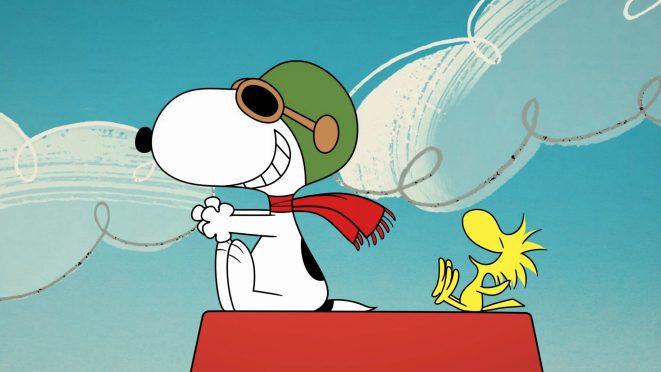
Debut: 1950
Known for: alter egos, emotional warmth, universal appeal
Snoopy is one of the most emotionally flexible characters in comics. Through imagination, he escapes limitation—becoming a flying ace, a novelist, a dancer, a philosopher. Snoopy’s fantasies aren’t escapism; they’re resilience.
He endures because he shows that creativity can transform loneliness into joy. Snoopy doesn’t speak much, yet he communicates volumes about emotion, friendship, and quiet hope.
Why he endures: imagination as survival.
18. Black Panther (Marvel Comics, USA): Power Rooted in Culture and Responsibility

Debut: 1966 (Fantastic Four #52)
Known for: Wakanda, Afrofuturism, ethical leadership
Black Panther redefined representation in comics. As king of Wakanda, T’Challa is not just a hero—he’s a leader navigating politics, tradition, innovation, and global responsibility. His stories explore what power should look like when rooted in culture, intelligence, and moral accountability.
He endures because he presents a model of heroism grounded in heritage and forward-thinking vision—strength guided by wisdom.
Why he endures: power shaped by culture and conscience.
19. Judge Dredd (2000 AD, UK): Law as a Warning, Not a Solution

Debut: 1977
Known for: dystopia, satire, authoritarian critique
Judge Dredd is not a hero to admire—but a system to question. As judge, jury, and executioner, Dredd represents law taken to its extreme. His stories expose the dangers of authoritarianism, blind obedience, and moral absolutism.
Dredd endures because he functions as satire with teeth—forcing readers to confront uncomfortable questions about justice, power, and fear.
Why he endures: a cautionary tale in helmet form.
20. Conan the Barbarian (Robert E. Howard adaptations): Steel, Survival, and Myth

Debut: 1932 (literature), later comics
Known for: sword-and-sorcery archetype
Conan embodies primal storytelling—strength, survival, freedom. His world is brutal, but his code is personal. Conan’s influence shaped fantasy for generations, from tabletop games to epic cinema.
He endures because he represents raw adventure: stripped of irony, driven by will.
Why he endures: pure adventure carved in myth and steel.
21. Goku (Akira Toriyama, Japan): Self-Improvement as Heroism
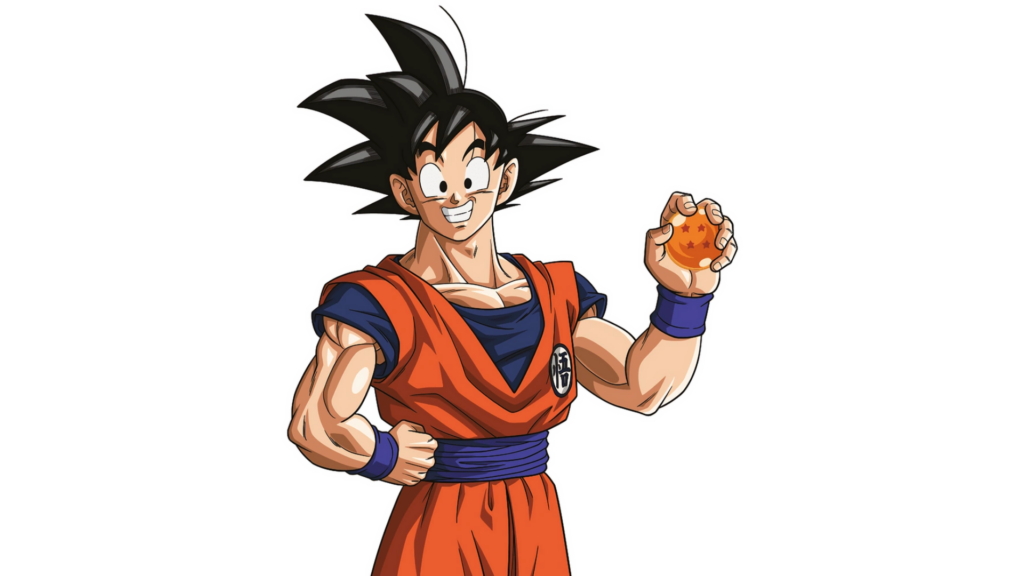
Debut: 1984 (Dragon Ball)
Known for: perseverance, transformation, joy in challenge
Goku represents a fundamentally different model of heroism from Western power fantasies. His strength is not about domination, revenge, or moral superiority—it is about continuous self-improvement. Every opponent, no matter how dangerous, is first a test of limits and a lesson waiting to be learned. Defeat is never failure; it is information.
Unlike many heroes, Goku does not fight to prove he is the strongest—he fights because the act of improving brings him joy. This philosophy transformed shōnen storytelling, turning combat into a metaphor for personal growth. Training arcs, power-ups, and transformations in Dragon Ball became symbolic milestones of discipline, patience, and resilience rather than shortcuts to victory.
Culturally, Goku helped globalize manga and anime, especially during the 1990s and early 2000s, shaping how entire generations understood heroism. He is cheerful without being naïve, powerful without being cruel, and endlessly curious rather than arrogant.
Why he endures: self-improvement as heroism—strength as a lifelong journey, not a final state.
22. Naruto Uzumaki (Masashi Kishimoto, Japan): Pain Turned into Purpose

Debut: 1999 (Naruto)
Known for: perseverance, friendship, emotional growth
Naruto’s story begins not with power, but with isolation. Shunned by his village and burdened with a dangerous legacy he didn’t choose, Naruto grows up starved for recognition. What makes his journey resonate so deeply is that his victories are emotional before they are physical.
Rather than defeating enemies through sheer force, Naruto repeatedly seeks to understand them. His greatest weapon is empathy—the ability to recognize pain in others because he has lived it himself. This approach reframed the idea of the shōnen protagonist, shifting the genre toward emotional intelligence and reconciliation.
Naruto’s arc mirrors real human development: insecurity, anger, growth, failure, self-reflection, and finally leadership earned through trust rather than fear. His dream of becoming Hokage is not about authority—it is about belonging.
Why he endures: determination that transforms pain into purpose, isolation into connection.
23. Tsubasa Ōzora (Captain Tsubasa, Japan): Sport as Destiny and Joy

Debut: 1981 (Captain Tsubasa)
Known for: soccer mythology, inspiration
Tsubasa Ōzora did for sports manga what Goku did for battle manga—he elevated competition into destiny. Soccer, in Captain Tsubasa, is not merely a game; it is identity, friendship, and self-expression. Matches unfold with near-mythic intensity, where every kick carries emotional weight.
Tsubasa’s relentless optimism and creativity transformed how sports stories were told, especially in Japan and Europe. The series directly influenced real-life professional players, many of whom credit Captain Tsubasa as their first inspiration to pursue football seriously.
The character’s endurance comes from how he embodies joy in effort. Winning matters—but loving the sport matters more.
Why he endures: sport as destiny and joy, effort as a form of art.
24. Spawn (Todd McFarlane, USA): Gothic Antihero of the 1990s

Debut: 1992 (Spawn #1)
Known for: dark aesthetics, creator-owned revolution
Spawn emerged during a turning point in comic history. He was not just a character—he was a statement. Todd McFarlane’s creation symbolized creator independence, darker themes, and visual excess that defined 1990s comics.
Al Simmons’ transformation into Spawn blends superhero tropes with horror, theology, and tragedy. He is powerful but damned, heroic yet morally compromised. His struggle is not against villains alone, but against guilt, loss, and a broken sense of identity.
Spawn’s enduring influence lies in both narrative and industry impact. He proved that creator-owned comics could rival—and outlast—corporate superheroes.
Why he endures: gothic superhero mythology fueled by raw emotion and creative freedom.
25. Léonard (Bob de Groot & Turk, Belgium/France): Intelligence as Comedy

Debut: 1975
Known for: historical satire, inventive humor
Léonard turns one of history’s greatest geniuses into a source of endless comedic misfires. The strip thrives on contrast: brilliant ideas meeting human incompetence. Through absurd inventions and loyal-but-clueless assistant Basile, the series gently mocks progress, ambition, and ego.
What makes Léonard endure is its accessibility. Readers don’t need historical knowledge to enjoy it, yet those who have it find an added layer of wit. The comic celebrates curiosity while reminding us that brilliance often arrives wrapped in chaos.
Why he endures: smart comedy rooted in cultural history and human fallibility.
26. Mafalda (Quino, Argentina): A Child Who Outsmarted the World

Debut: 1964
Known for: political satire, moral clarity
Mafalda is small in stature but immense in insight. Through her questioning of adults, institutions, and global injustice, Quino delivered some of the sharpest political and social commentary in comic history. Her power lies in contrast: innocence exposing hypocrisy.
Unlike many comic children, Mafalda does not grow up—because her role is not to mature, but to reflect. Her concerns about war, inequality, and peace remain tragically relevant decades later.
Why she endures: satire with a human heart, wisdom delivered through innocence.
27. The Phantom (Lee Falk, USA – Global Legacy): The Masked Myth

Debut: 1936
Known for: early costumed hero, generational legacy
The Phantom predates most superheroes and established many of their defining elements: the mask, the cave, the myth of immortality. Unlike later heroes, the Phantom’s power comes from legacy—a mantle passed down through generations.
His endurance lies in myth-building. He is less a man than an idea: the eternal guardian. Especially outside the U.S., The Phantom became a foundational hero, shaping regional comic cultures.
Why he endures: the myth of the masked protector—identity as inheritance.
28. Chacha Chaudhary (Pran, India): Intelligence as Power

Debut: 1971
Known for: wit, cultural grounding
Chacha Chaudhary broke the superhero mold completely. Elderly, calm, and clever, he defeats villains using intellect and moral clarity rather than force. His stories reflect Indian social values: respect for wisdom, community, and ethical problem-solving.
Chacha Chaudhary remains culturally significant because he represents a hero anyone can aspire to be—no muscles required.
Why he endures: intelligence as power, heroism rooted in everyday wisdom.
29. Lucky Luke (Morris, Belgium): Western Myth with European Wit

Debut: 1946
Known for: satire, iconic visual identity
Lucky Luke takes the American Western and filters it through European humor. He is fast, clever, and ironic—constantly puncturing frontier myths while celebrating adventure. The Dalton brothers, recurring gags, and rhythmic storytelling gave the series a timeless structure.
The character’s minimalist design and humor-driven pacing made Lucky Luke instantly recognizable across generations.
Why he endures: the Western reimagined through wit, rhythm, and satire.
30. Monkey D. Luffy (Eiichiro Oda, Japan): Freedom as a Dream

Debut: 1997 (One Piece)
Known for: optimism, loyalty, global influence
Luffy is the embodiment of joy-driven heroism. His dream is not conquest or revenge, but freedom—for himself and others. One Piece became one of the most influential manga series in history because it combines epic scale with emotional sincerity.
Luffy’s simplicity is deceptive. His moral compass is absolute: protect friends, fight oppression, never surrender freedom. That clarity resonates across cultures.
Why he endures: freedom, loyalty, and joy turned into epic myth.
Most Famous Comics Characters: Why These Characters Matter Globally
From Metropolis to Mega-City One, from Riverdale to Wakanda, from Jellystone-like humor worlds to mythic demon lore—these characters show why comics are a truly international art form. They carry cultural identity, artistic innovation, political themes, and emotional truth in ways few media can match.
And the best part? Each new generation reinterprets these icons—through fan art, cosplay, criticism, parody, and original comics inspired by them—ensuring their legacy remains alive, evolving, and global.
This list (30 Most Famous comic characters from the World) is a work of our research based on free information from the internet. If you think we missed any Famous Comics Characters, We should add them to the list. Please submit the data via the submission form below.
This post was created with our nice and easy submission form. Create your post!



4 Comments